
Wednesday, September 9, 2026

As the summer term draws to a close and diaries fill with sports days and end-of-year assemblies, there is one part of the calendar that tends to stay with children long after the holidays begin: the school trip. Ask most adults about their favourite memory from school, and few will mention a spelling test. More often, it is the day the classroom door was left behind entirely.
There is a good reason those days linger in the memory. Time spent learning outside the usual four walls does something a worksheet rarely can.
Why Timing Matters More Than You Think
The end of the academic year is often when trips are packed in, and that is no accident. By the summer term, children have built the knowledge and confidence to make sense of what they are seeing. A visit to a Roman ruin lands differently when the term's history lessons have already set the scene. A field study by a river means more when the science behind it is fresh.
This is why forward-thinking schools treat trips as the culmination of learning rather than a break from it. The experience becomes a way of testing ideas in the real world, turning something abstract into something a child can touch, hear and remember.
Confidence That Builds Away From the Desk
Trips ask children to do things they might never attempt at a desk. They navigate a new place, work with classmates they do not usually sit beside, and adapt when plans change, as they inevitably do. These small challenges quietly build resilience.
Schools that value this kind of growth tend to weave trips through the whole year rather than saving them for a single treat. Families looking for an independent school that champions learning beyond the classroom often find that regular outings, from local woodland walks to museum visits, shape well-rounded, curious children. The White House School is one example of a setting where these experiences are seen as part of a rounded education rather than an add-on.
Making the Most of the Summer Ahead
As the holidays approach, parents have their own version of the school trip to plan. The good news is that the same principles apply at home. Learning outside the classroom does not require a coach and a packed lunch signed off by three teachers.
A few simple ideas can carry the spirit of the school trip into the summer:
- Visit a local historical site and let children lead the exploring.
- Spend an afternoon at a nature reserve, notebook in hand.
- Explore a museum with no set agenda, following whatever catches their interest.
- Cook a recipe from a country they have studied, and talk about where it comes from.
None of this needs to feel like homework. The value lies in curiosity, conversation and the chance to notice things that would never appear in a textbook.
Bringing It All Back to the Classroom
When September arrives, the best trips have a way of echoing through the term that follows. A child who stood in a cathedral, waded through a stream or watched a play come to life brings something back with them: a reference point, a story, a spark of interest that a teacher can build on.
That is the real case for school trips going beyond the classroom. They are not a day off from education. They are education, simply happening somewhere with better views. To see how one school approaches learning both inside and out, visit https://whitehouseschool.com.
---
*This article was contributed by the team at The White House School, an independent day school offering nursery and preparatory education. The school is known for its nurturing approach, small class sizes and commitment to learning beyond the classroom, helping children build confidence, curiosity and a genuine love of discovery from their earliest years.*


Here are the questions parents actually ask, answered plainly.
What is a prep school, and why does it matter?
A prep school prepares children for the next stage of their education, often a senior school at thirteen. But that word "prepares" undersells it. These years shape how a child approaches learning long after the timetable changes. A child who learns to ask good questions, manage their time and recover from a wrong answer carries those skills into every classroom that follows.
The academic groundwork matters, of course. So does everything around it: the friendships, the first taste of real responsibility, the moment a quiet child finds their voice in a play or on a sports pitch.
Isn't it too early to think about the "foundation" of an education?
Quite the opposite. The prep years are when the foundation is poured. Reading fluency, number sense, the confidence to speak in front of others: these develop most naturally when children are young enough to try things without fear of getting them wrong.
Children at this age are also forming their attitude to effort. A school that praises persistence rather than only results teaches a lesson that outlasts any exam. That's why so many parents look for a prep school that builds strong academic and personal foundations rather than one focused solely on test scores.
How do I know if a prep school is right for my child?
Look past the prospectus. A good visit tells you more than any glossy brochure. Watch how staff speak to pupils in the corridor. Notice whether children look engaged or simply compliant. Ask how the school supports a child who is struggling, and how it stretches one who is racing ahead.
Small class sizes tend to help, because teachers can spot when a child needs a nudge or a challenge. But the culture matters just as much as the numbers. A warm, purposeful environment does more for a seven-year-old than any single facility.
What about children who aren't especially academic?
Every child has something they're good at, though it isn't always the thing measured by a spelling test. The best prep schools understand this. They give children room to discover strengths in art, music, sport, drama or simply working well with others.
This breadth isn't a distraction from academic progress. It supports it. A child who feels capable in one area often gains the confidence to try harder in the subjects they find difficult.
Do the prep years really shape everything after?
To a surprising degree, yes. Ask an adult about their happiest or most formative school memory and it often lands somewhere in this stage. The teacher who believed in them. The first book they couldn't put down. The habit of curiosity that never quite went away.
Schools such as Barrow Hills understand that these years are about far more than preparing for the next entrance exam. They're about helping a child become someone who wants to keep learning. Parents who want to explore this further can visit https://barrowhills.org to see how that philosophy works in practice.
What should parents remember above all?
Choose the environment that fits your child, not the one that impresses the neighbours. The right prep school won't just prepare your child for the next stage. It will give them the confidence, curiosity and resilience to make the most of whatever comes after.
---
About the author
Barrow Hills School is an independent prep school set in beautiful grounds in Witley, Surrey, welcoming children from Nursery through to Year 8. Part of the Roman Catholic Diocese of Arundel and Brighton and a member of the Independent Association of Prep Schools, Barrow Hills is known for its nurturing, family atmosphere and its commitment to educating the whole child. The school combines strong academic standards with a rich programme of sport, music, art and outdoor learning, helping every pupil build the foundations for a confident and curious future.


Ask most parents what a football camp is, and they will picture children kicking a ball about in a field for a few hours. That is part of it, of course. But a good football camp does far more than fill a summer morning. It gives children structure, friendships and a sense of progress at a time of year when routines tend to fall away.
Here is what actually happens when a child spends a week or two at one.
First, a simple definition
A football camp is a short, organised programme, usually running across school holidays, where children play, train and learn the game in age-appropriate groups. Sessions are led by coaches, not left to chance. Some camps focus purely on skills; others build in small-sided matches, warm-ups, cool-downs and a bit of friendly competition. The best ones welcome every ability, from the child who lives for match day to the one who has never worn shin pads before.
That inclusivity matters. Nobody sits on the side-lines feeling out of their depth.
The obvious benefit: they get moving
The clearest gain is physical. Long summers can mean long stretches indoors, and a football camp puts children back on their feet. Running, passing and dribbling build coordination, stamina and balance without ever feeling like exercise for its own sake. To a child, it simply feels like playing.
The less obvious benefits are the ones that last
This is where a well-run camp earns its place.
Confidence. Learning a new skill and pulling it off in front of others is a real boost. A child who nails a first proper pass, or scores in a small-sided game, carries that feeling home.
Friendships. Camps mix children who might not otherwise meet. Teams form quickly, and shared goals break the ice faster than almost anything. Many children arrive knowing nobody and leave with a group of new mates.
Resilience. Football teaches you to lose gracefully and try again. Missing a shot or being on the losing side, then coming back the next day, is a gentle lesson in bouncing back.
Listening and teamwork. Following a coach, waiting for a turn and working with others are quiet life skills that football happens to teach brilliantly.
Why the summer setting helps
There is something about the holidays that lets children relax into learning. No school bell, no homework, no pressure. Providers such as Club Excel offer holiday football camps built around fun first, which tends to be exactly when children learn best, when they are enjoying themselves and not watching the clock.
The change of scene helps too. A morning of football breaks up the long summer stretch and gives children something to look forward to, while parents get a few reliable hours to plan around.
What to look for in a camp
If you are weighing up options, a few things are worth checking:
- Qualified, DBS-checked coaches
- Small groups sorted sensibly by age and ability
- A clear focus on enjoyment, not just winning
- A welcoming attitude to beginners
Get those right and the rest tends to follow.
The takeaway
A football camp is not really about producing the next professional. It is about giving children an active, social, confidence-building start to their break, all wrapped up in a game they love. The skills they pick up on the pitch, patience, teamwork, sticking at something hard, travel well beyond it.
For families looking to make the summer count, that is a good deal. You can find out more at https://clubexcel.co.uk.
---
*This article was written by the team at Club Excel, a provider of children's holiday clubs and sports camps designed to keep young people active, happy and engaged during the school breaks. Club Excel runs football and multi-activity programmes led by qualified coaches, with a focus on fun, inclusion and building confidence in children of every ability.*


There is a moment familiar to almost every child who joins a new school: the pause at the classroom door, the quick scan of unfamiliar faces, the private hope that someone will look up and smile. It is a small, ordinary moment, and yet it carries a great deal of weight. How a child navigates those first uncertain weeks often shapes far more than their social diary. It can influence how safe they feel, how willing they are to take academic risks, and how they come to see themselves.
Making friends is often treated as something that simply happens, a natural by-product of putting children in a room together. Research on childhood belonging suggests otherwise. Friendship, particularly in a new setting, is a skill and a process, and it deserves more attention than it usually gets.
Why the first friendships matter more than we think
Studies in developmental psychology have long pointed to a clear link between social connection and wellbeing at school. Children who feel they belong tend to concentrate better, attend more willingly and recover more quickly from setbacks. A single dependable friendship can act as a buffer against the ordinary stresses of school life.
The reverse is also true. A child who feels socially adrift may appear to be struggling academically when the real issue is loneliness. This is why thoughtful educators treat friendship not as a soft extra but as part of the foundation for learning.
The work happening beneath the surface
What looks effortless in confident children is usually the result of practice. Reading a group's mood, joining a game without disrupting it, offering to share, recovering after a small rejection: these are genuine social competencies, and they can be taught, modelled and gently encouraged.
Good settings design for this quietly. They pair newcomers with a buddy, structure activities so that no child has to fend for themselves at breaktime, and give staff the time to notice the child hovering at the edge. Small, well-established environments tend to manage this especially well, because adults can see the whole picture rather than a crowd. Families looking for a warm, close-knit community will often find it in an independent school in Kent that places pastoral care at the heart of everyday life, where knowing each child individually is treated as ordinary practice rather than a special effort.
What parents can do without hovering
Parents sometimes feel powerless during this stage, caught between wanting to help and not wanting to intervene. A few quiet approaches tend to work better than direct rescue.
- Talk about friendship as something that grows slowly, so a slow start feels normal rather than alarming.
- Ask open questions about who a child sat with or played alongside, rather than the pointed "Have you made friends yet?"
- Arrange low-pressure meetings outside school, where children can connect without an audience.
- Model warmth and curiosity about other people at home, since children borrow far more from what they see than from what they are told.
The aim is not to engineer friendships but to widen the opportunities for them to form.
Patience as a strategy
Perhaps the most useful shift is a change in expectation. Adults often want friendships settled within a fortnight, yet many children need a full term to find their footing. That slower pace is not a failure. It is simply how trust builds.
The children who eventually thrive socially are rarely the ones who arrived with the most confidence. More often they are the ones who were given time, a few gentle nudges and a setting that noticed them. Friendship, in the end, is less about grand gestures and more about a hundred small moments of being seen. Schools that understand this quiet art give children something that lasts well beyond the school gates. You can read more about this approach at https://farringtons.org.uk.
---
*This article was contributed by the team at Farringtons School, an independent day and boarding school in Chislehurst, Kent, welcoming pupils from early years through to sixth form. Set within extensive grounds, Farringtons is known for its strong pastoral ethos, its focus on individual wellbeing and its supportive, values-led community.*


Ask most parents what they want for their children and confidence sits near the top of the list, often above grades or accolades. It makes sense. A confident child is more willing to try, more able to recover from setbacks, and more likely to speak up when something matters. What often gets missed is that confidence is not a fixed trait some children are simply born with. It is a set of habits, and habits can be built.
Here are six practical ways to help confidence grow, one small step at a time.
1. Let them struggle before you step in
The instinct to rescue is strong, but a child who is always rescued learns that they cannot manage alone. Give them a moment with the difficult puzzle, the tricky friendship, the shoelace that won't cooperate. The point is not to leave them stranded. It is to let them discover that they can often find a way through. That discovery is where real confidence begins.
Takeaway: A little productive frustration teaches more than a quick fix ever could.
2. Praise the effort, not the outcome
"You're so clever" feels kind, but it quietly tells a child that ability is what counts. When the work gets harder and success no longer comes easily, that message backfires. Praising effort, persistence and strategy instead shows children that improvement is within their control.
Takeaway: Notice how they tried, not just what they achieved.
3. Give them real responsibilities
Confidence grows when a child feels genuinely useful. Feeding the family pet, helping cook a meal, or taking charge of a small household task sends a clear signal: you are capable and trusted. These jobs need not be large. What matters is that the responsibility is real and the outcome depends on them.
Takeaway: Trust, offered in small doses, builds belief.
4. Model calm in the face of mistakes
Children watch how the adults around them handle things going wrong. If a burnt dinner or a missed turning triggers frustration and blame, they learn that mistakes are shameful. If it prompts a shrug and a fresh attempt, they learn that mistakes are simply part of doing anything worthwhile. Confident children usually have adults nearby who are relaxed about getting things wrong.
Takeaway: Your reaction to your own errors is a lesson they absorb.
5. Widen their world beyond their comfort zone
New settings stretch a child in useful ways. A drama club, a sports team, a first solo trip to the corner shop; each one asks them to manage something unfamiliar and come out the other side. Schools that take this seriously build it into daily life through public speaking, performance and collaborative projects. a well-rounded education that nurtures both character and academic ability often gives children repeated, low-stakes chances to test themselves, which is exactly how self-assurance develops.
Takeaway: Confidence lives just outside the familiar.
6. Listen properly when they speak
Few things build a child's sense of worth like being genuinely heard. Putting the phone down, making eye contact, and taking their opinion seriously tells them their voice has value. A child who feels listened to at home is far more likely to speak with confidence elsewhere.
Takeaway: Attention is one of the most powerful confidence-builders you can offer.
The quiet work of it all
None of these steps is dramatic, and that is rather the point. Confidence is built through hundreds of small, consistent moments rather than one grand gesture. Whether at home or in a supportive learning environment such as King Edward's School, the aim is the same: to show children, again and again, that they are capable of more than they realise. Prioritise it, and you give them something that outlasts any single achievement.
You can find out more at https://kesw.org.
---
*This article was contributed by the team at King Edward's School, an independent school committed to academic excellence and the wider development of every pupil. Rooted in a long tradition of pastoral care and character education, King Edward's School supports children to grow into confident, thoughtful and capable young people ready for the world beyond the classroom.*


Watch any junior football team on a Saturday morning and you will spot the problem quickly enough. One child chases the ball everywhere, ignoring position and teammates alike. Another hangs back, unsure of their role. A third barks instructions nobody follows. The idea that some children are simply "natural" team players, while others are not, is one of the most persistent myths in child development. It also happens to be wrong.
The Myth of the Natural
Adults often describe a confident, cooperative child as a born team player, as though the skill arrived fully formed. In reality, that child has usually had more practice. They have been given chances to share, to lose gracefully, to listen when someone else has a better idea. Teamwork is not a personality trait you either have or lack. It is a set of habits, and habits are built.
This matters because the "born, not made" belief quietly lets everyone off the hook. If a child struggles to collaborate, we shrug and call them independent or headstrong. If they thrive, we praise their nature rather than the environment that shaped them. Both responses miss the point. The children who work well with others got there through repetition, feedback and encouragement.
Where the Habits Actually Form
So how does a child learn to be a genuine team player? It happens in small, ordinary moments, most of them at school.
Group tasks teach negotiation. When four children must build one model or plan one presentation, they learn that their idea is not the only idea. Sport teaches shared responsibility, and, crucially, how to handle both winning and losing without falling apart. Drama and music teach children to hold their own part while staying alert to everyone else. Even tidying a classroom together sends a quiet message: the outcome depends on all of us.
The best learning environments make these moments deliberate rather than accidental. Staff who understand this will structure activities so that cooperation is required, not optional, and then step back enough for children to work things out themselves. Schools that build teamwork into daily life, such as an independent school that treats collaboration as a core part of the curriculum, tend to produce young people who carry those habits well beyond the school gates.
Practical Steps for Parents
The good news is that parents do not need a sports field or a stage to help. A few simple approaches make a real difference:
- Give shared jobs at home. Cooking a meal together or planning a family outing forces small negotiations and compromises.
- Resist rescuing. When siblings or friends disagree, hold back before stepping in. Working through friction is where the skill grows.
- Praise the process, not just the result. Notice when a child listens, shares credit or supports someone who is struggling.
- Model it yourself. Children watch how adults behave in a group far more closely than they listen to instructions.
None of these will transform a child overnight, and that is rather the point. Teamwork is cumulative. Each small experience adds to the last.
The Long Game
There is a broader reason to take all this seriously. The ability to work well with others is one of the strongest predictors of success in adult life, from the workplace to friendships to family. Employers rank collaboration above almost every technical skill, precisely because it is harder to teach later on.
Which brings us back to the myth. If we accept that team players are made rather than born, we stop waiting for the trait to appear and start creating the conditions for it to grow. That shift, from hoping to helping, is where real progress begins. The children who seem to have it all figured out were once just as awkward on that Saturday morning pitch. They simply had more chances to practise, and the adults around them made those chances count.
---
*This article was contributed by the team at Tettenhall College, an independent day and boarding school in Wolverhampton known for its supportive community and emphasis on developing well-rounded young people. Tettenhall College welcomes pupils from nursery through to sixth form. To learn more about its approach to education, visit https://tettenhallcollege.co.uk.*


Ask a room full of parents what they want for their daughter, and you'll hear the same word again and again: thriving. Not just passing exams or ticking boxes, but genuinely flourishing, socially, academically and personally. So what do girls who thrive at independent school actually have in common? Here are the questions parents ask most often, answered plainly.
Is it really about being the cleverest in the room?
No, and this surprises people. The girls who thrive are rarely the ones chasing the highest mark for its own sake. They tend to be curious. They ask questions, they take an interest, and they're willing to have a go at something they might not get right first time.
Confidence to try matters more than raw ability. A girl who feels safe making mistakes will stretch herself, and that willingness compounds over years. Schools that create that sense of safety, where effort is noticed and setbacks are treated as part of learning, give girls room to grow into their potential.
Does the school environment actually make a difference?
It makes an enormous difference. The setting shapes the habits.
Thriving girls often come from environments where they are known as individuals rather than as one of a crowd. Smaller class sizes help, because a teacher who understands how a particular child thinks can adjust in the moment. Parents looking for a nurturing independent school in Harpenden often say it was this sense of being seen that stood out on their first visit.
The physical space matters too. Access to good facilities, a proper library, decent sports provision, space to be creative, quietly signals that a girl's interests are worth investing in.
What role do friendships play?
A bigger one than most people expect. Girls who thrive usually have strong, steady friendships, and they've learned how to navigate the bumps that come with them.
Good schools teach this actively. They talk about kindness, resolve conflicts sensibly, and give girls the language to handle disagreement without drama. A girl who feels socially secure has more energy left for everything else.
Are these girls involved in lots of activities?
Often, but not always. What they share is not a packed timetable but a sense of ownership over how they spend their time.
Some throw themselves into music or netball. Others prefer coding club or the school play. The common thread is that they've found at least one thing outside the classroom that feels like theirs. That anchor builds identity and resilience, and it tends to carry over into academic work.
Can any girl learn to thrive, or is it a personality thing?
Any girl can learn it. That's the encouraging part.
Thriving is not a fixed trait handed out at birth. It grows from the right conditions: adults who believe in her, expectations pitched to stretch rather than crush, and enough freedom to make choices and learn from them. Some girls arrive naturally sunny and self-assured. Others take longer to find their feet. Both can flourish given time and the right support.
What should parents look for when choosing a school?
Look past the glossy prospectus and watch how the girls behave. Do they make eye contact? Do they seem relaxed and engaged? Are they proud of their work?
Ask how the school handles a child who is struggling, because that answer tells you more than any exam league table. Notice whether staff talk about the whole child or only about grades. Schools such as St Hilda's build their approach around exactly this balance, and it shows in how settled the girls appear.
If you'd like to explore further, you can find more information at https://sthildasharpenden.co.uk.
The short answer
Girls who thrive share curiosity, secure friendships, a genuine interest of their own, and the confidence to try. None of that happens by accident. It comes from an environment that knows each girl, believes in her, and gives her the space to become herself. Get the setting right, and thriving follows.
---
*This article was contributed by the team at St Hilda's School, an independent day school for girls in Harpenden, Hertfordshire. St Hilda's is known for its warm, family atmosphere and its commitment to helping each girl develop confidence, curiosity and academic ambition in a supportive setting.*


Ask an adult about their school days and the details are often hazy. But mention the day the classroom volcano erupted, or the lesson where a teacher set fire to a five-pound note that somehow survived, and the memory arrives fully formed. Decades later, people can still describe the smell of the smoke and the gasp that went round the room.
That is the quiet power of a good science lesson. Long after the exam papers have been forgotten, the moment a child watched a prediction come true, or spectacularly fail, tends to stay put.
Why the memorable ones stick
The lessons children carry with them share a pattern. They rarely revolve around copying facts from a board. Instead, they invite a child to guess what will happen next, then find out for themselves.
That small act of prediction changes everything. A child who has committed to an answer, even a wrong one, is now personally invested in the result. When the balloon inflates over the bottle of fizzing liquid, they are not observing someone else's experiment. They are checking their own thinking against reality.
Surprise plays its part too. The brain pays close attention when something defies expectation. A lesson that gently overturns what a child assumed to be true, a heavy object and a light one hitting the ground together, ice that floats rather than sinks, lodges itself far more firmly than any diagram.
The everyday science that travels home
Some of the most effective lessons are the ones children cannot wait to repeat at the kitchen table. Growing crystals from a sugar solution. Testing which household liquids turn red cabbage water pink or green. Building a simple circuit that lights a bulb.
These activities work because they cross the boundary between school and home. When a child recreates an experiment for a parent, they are teaching, and teaching is one of the surest ways to understand something properly. The lesson has done its job twice over.
Parents looking for a setting that treats curiosity as a serious business will often find it in schools where hands-on science is woven into everyday learning, rather than saved for the occasional demonstration. Parsons Green Prep School is one example of a place where questions are encouraged as much as answers.
Getting the balance right
There is a caution worth noting. A lesson can be dramatic without teaching much at all. The explosion that thrills the room but leaves children unable to explain what caused it has entertained rather than educated.
The difference lies in the follow-up. A good teacher lets the wonder settle, then asks the harder question: why did that happen? What would change the result? The answer does not need to be complete. What matters is that the child leaves wanting to know more.
Turning wonder into habit
The children who go on to love science are rarely the ones who were simply good at it. More often they are the ones who were allowed to be wrong safely, to ask questions that took the lesson off course, and to feel that the natural world was theirs to investigate.
That habit of mind outlasts any single topic. A child who learns to test an idea rather than accept it will carry that instinct into subjects far beyond the laboratory. It shapes how they read, how they argue, and how they solve problems as adults.
So when a grown-up recalls a science lesson from years ago, they are remembering more than a trick with a candle or a bottle. They are remembering the first time an experiment made them feel like a scientist. That is the lesson worth building a whole education around.
You can find out more at https://parsonsgreenprep.co.uk.
---
*This article was contributed by the team at Parsons Green Prep School, an independent preparatory school in Fulham, London, educating children from the early years through to eleven. The school places practical, curiosity-led learning at the heart of its approach, helping young pupils build the confidence to question, test and understand the world around them.*


Ask any parent what sports day means to them and you will hear about picnic blankets, camera phones and the sack race that never quite ends. Ask a child, and the answer is often more complicated. Behind the excitement sits a swirl of nerves, hope and the very real fear of coming last in front of everyone. Here are the questions parents ask most often about how children actually experience the day, and how the adults around them can help.
Why is my child so nervous about something meant to be fun?
For a lot of children, sports day is the first time they perform in front of a crowd. That is a big ask. They can see the other parents, they can hear the cheering, and they know the outcome is visible to everyone watching. Nerves are a natural response to that kind of exposure, not a sign that something is wrong.
The helpful thing to remember is that nerves and excitement feel almost identical in the body. A racing heart can be reframed. Instead of "you seem worried", try "your body is getting ready to have a go". Children take their emotional cues from the adults nearby, so a calm, cheerful parent does more than any pep talk.
What if my child isn't very sporty?
Not every child is built for the sprint, and that is completely fine. The best sports days are designed with that in mind. Alongside the competitive races, there are usually team events, novelty games and roles that reward effort over speed. Schools that value the whole child, such as a school that supports children who learn and think differently, often make a point of celebrating participation and personal progress rather than podium finishes.
Talk to your child beforehand about what they enjoy rather than what they are "good at". A child who loves cheering their team on has just as valuable a role as the fastest runner on the field.
How do I handle the tears if they lose?
Gently, and without rushing to fix it. Disappointment is a real emotion and children are allowed to feel it. A quick "never mind, it doesn't matter" can accidentally teach them that their feelings are inconvenient.
Instead, name what happened and stay close. "You really wanted to win that one. That's hard." Once the feeling has been acknowledged, most children move on faster than we expect. What they remember is not the result but whether they felt supported.
Should I be worried if my child wants to opt out?
A child asking to sit out an event is often telling you something worth listening to. It might be nerves, it might be a physical worry, or it might simply be tiredness. Rather than insisting, get curious. A small adjustment, such as running with a friend or trying a less pressured event first, is often all it takes to rebuild their confidence.
Pride, when it comes, tends to arrive quietly. It is the child who was terrified of the egg-and-spoon race and finished it anyway, glancing up to check you saw. Those small victories matter more than any ribbon.
How can parents make the day better for everyone?
Keep the focus on effort, kindness and having a go. Cheer for every child, not only your own. Pack the water, expect some big feelings, and let your child lead the way on how much or how little they want to talk about it afterwards.
Above all, watch their face rather than the finish line. That flash of pride when they realise they did something hard is the whole point of the day. You can read more about how a nurturing approach shapes a child's confidence at https://unicornschool.org.uk.
---
*This article was contributed by the team at The Unicorn School, an independent school in Abingdon, Oxfordshire, supporting children aged 6–13 who learn and think differently, including those with dyslexia and related specific learning difficulties. The Unicorn School focuses on building confidence, resilience and a genuine love of learning in every child.*


Here are six practical ways to help children grow into thoughtful, respectful people, even when the world around them is anything but quiet.
1. Model the behaviour you want to see
Children copy far more than they are told. A parent who listens patiently, apologises when wrong and speaks kindly about others gives a child a working template for respect. Long lectures rarely stick. Consistent behaviour does.
Takeaway: Before correcting a child, check what you are showing them.
2. Teach the art of listening
Respect begins with attention. In a world of half-heard conversations and constant interruptions, the ability to truly listen has become rare and valuable. Encourage children to let others finish, to ask questions, and to sit with silence rather than rushing to fill it.
Takeaway: A good listener is often the most respected person in any room.
3. Set clear, calm boundaries
Respect and boundaries go hand in hand. Children feel safer, and behave more thoughtfully, when they understand what is expected of them. The key is consistency delivered without shouting. Firm and calm beats loud and inconsistent every time.
Takeaway: Boundaries are not the opposite of warmth. They are part of it.
4. Let them experience different viewpoints
A respectful child understands that other people think, feel and live differently. Exposure to a range of perspectives, through books, conversations and friendships, builds empathy. Schools that value character alongside academics often nurture this well. Families choosing a supportive independent school that prioritises character and community can find this ethos woven into daily school life.
Takeaway: Empathy is the foundation on which respect is built.
5. Praise the effort, not just the outcome
When a child holds a door open, includes a lonely classmate or admits a mistake, notice it. Recognising respectful behaviour reinforces it far more effectively than punishing its absence. Specific praise works best: name what they did and why it mattered.
Takeaway: What gets noticed gets repeated.
6. Give screens their proper place
Devices are not the enemy, but unmanaged they can crowd out the face-to-face interactions where respect is practised. Agreeing on screen-free times, such as mealtimes or the first hour after school, protects the space children need to connect properly with the people around them.
Takeaway: Real relationships need real attention.
A quieter kind of confidence
Raising a respectful child is not about producing someone quiet or compliant. It is about helping them become confident enough to disagree well, curious enough to understand others, and grounded enough to stay kind under pressure. That kind of character develops slowly, through steady example and the right environment.
Institutions such as Halliford School have long understood that education is about shaping people, not just results. Parents interested in learning more can visit https://hallifordschool.co.uk.
The noise is not going anywhere. But children who learn to listen, reflect and treat others well will always find their footing, however loud the world becomes.
---
*This article was contributed by the team at Halliford School, an independent day school for boys aged 11–18 and girls in the sixth form, based in Shepperton, Surrey. Halliford School combines strong academic standards with a genuine focus on character, kindness and individual development, preparing young people for life beyond the classroom.*

Easy Ways To Keep The Whole Family Active
Getting everyone in the family to be a little more active sounds easy enough, but in reality it can be surprisingly difficult. As a mum in my thirties, I feel like we're constantly juggling work, school, meals, housework and everything else that somehow finds its way onto the weekly to-do list. Add phones, tablets, gaming and streaming into the mix, and getting everyone out of the house can sometimes feel like an achievement in itself.
I've realised, though, that being an active family doesn't have to mean joining a gym or signing the kids up for every sports club going. For us, it's much more about finding little opportunities to move more and, most importantly, making it something we actually enjoy doing together.
Comfort is important too, especially if you're planning longer walks, running or playing sports together. Having decent trainers is an obvious starting point, but you can also consider a supportive sports insole depending on the activity and footwear you're using.
Here are some of the ways I've found to make being active feel like a normal part of family life rather than another job that needs adding to my list.
Don't Call It Exercise
This might sound silly, but I've found that the way I suggest an activity makes a huge difference.
"Does anyone want to exercise?" isn't exactly greeted with cheers in our house.
"Shall we go for a bike ride?" sounds much better.
Children don't necessarily need to think about fitness or workouts. They just need opportunities to move. Going swimming, kicking a football around, riding scooters, walking the dog and running around the park are all ways of being active without making it feel like exercise.
The same is probably true for us adults as well.
I'd much rather spend an afternoon walking somewhere lovely than spend an hour staring at the clock on a treadmill.
Turn The Music Up
There are days when getting everyone outside simply isn't happening.
Maybe it's pouring with rain, you're waiting for a delivery or you've got a mountain of jobs to do at home.
Music is brilliant on those days.
We put on a playlist while we're cleaning or tidying and, before long, somebody is dancing. Then somebody else joins in and suddenly we've gone from putting the washing away to having a completely ridiculous kitchen disco.
It might not be conventional exercise, but we're moving and having fun.
Let everybody add songs to a family playlist. Just be prepared for a very strange mixture of music.
Get Out For A Walk
I think walking is one of the most underrated family activities.
It's free, you can do it almost anywhere and there's no need to book anything in advance. You can go for twenty minutes after dinner or turn it into an entire day out.
The problem, of course, is convincing children that going for a walk is actually fun.
With younger children, give them something to look for along the way. You could make a little scavenger hunt and see who can find a red flower, a feather, an interesting stone or a certain type of tree first.
With older children, having somewhere to actually walk to helps enormously.
A café works particularly well.
Funny that.
The National Trust has plenty of walking inspiration if you're looking for somewhere different to explore as a family.
Let The Kids Decide What You're Doing
As parents, we make decisions all day long.
What everyone's having for dinner. What time we're leaving. What needs washing. Who needs to be where and when.
So when it comes to family activities, sometimes it's nice to hand the decision over to the kids.
Give everyone a turn at choosing something active they'd like to do.
One child might choose swimming. Somebody else might want to play football in the park. Another might suggest bowling, cycling or roller skating.
You might end up doing something you wouldn't have chosen yourself, but that's part of the fun.
And if the children have picked the activity, there's slightly less chance of hearing, "This is boring!" five minutes after you've arrived.
I said slightly.
Try Something Completely New
One of my favourite ways to get everyone moving is to try something we've never done before.
There are so many possibilities depending on where you live and the ages of your children.
You could try climbing, paddleboarding, kayaking, badminton, tennis, skating or even something like an inflatable obstacle course.
The best part is when none of you knows what you're doing.
Children are used to being beginners. They're constantly learning new things at school and in everyday life, whereas adults can get quite comfortable sticking with things we already know.
I think it's good for children to see Mum and Dad attempting something new, getting it wrong, laughing and having another go.
You might discover a new family hobby in the process.
Make The Most Of Your Local Park
We sometimes overlook what's practically on our doorstep.
A trip to the local park costs nothing and can easily get everyone moving for an hour or two.
Take a football, frisbee or tennis rackets with you. If you've got younger children, join them in the playground rather than automatically heading for the nearest bench.
Admittedly, there comes a point when your children would rather you didn't join in because apparently Mum attempting the monkey bars is deeply embarrassing.
That's all the more reason to do it, surely?
The NHS has guidance on physical activity for children and young people if you'd like to know more about recommended activity levels for different ages.
Walk Instead Of Taking The Car
This is such a small change, but it's probably one of the easiest to make.
If somewhere is within walking distance and you've got enough time, leave the car at home.
Walk to the shop. Walk to school occasionally if that's practical for you. Walk to a friend's house or to the park.
It won't always work. Sometimes we're rushing around and getting everybody into the car is the only realistic option.
But those little journeys can add up over a week.
It's also a nice opportunity to chat. I've found that children sometimes tell you far more when you're walking alongside each other than when you sit down and actually ask them to talk.
Make A Family Activity Jar
If your weekends regularly start with everyone asking, "What are we doing today?", an activity jar can be really handy.
Get everyone to write down a few things they'd like to do and put the ideas in a jar.
They could be completely free activities such as:
- Go for a bike ride
- Play football in the park
- Have a dance competition
- Go for a woodland walk
- Play rounders
- Take the dog somewhere different
- Go on a nature hunt
You can also add activities that cost money, such as swimming, bowling or visiting a trampoline park.
When you've got a free afternoon, pick something from the jar.
It saves Mum having to come up with all the ideas too, which is definitely a bonus.
Don't Worry About Being A 'Fit Family'
Social media has a habit of making normal family life look inadequate.
You'll see families hiking up mountains at 7am while wearing perfectly coordinated outdoor clothing, and meanwhile you're still asking someone to brush their teeth for the fourth time.
Don't compare yourself.
Getting your family active isn't about suddenly becoming a family of athletes.
Some weeks you'll do loads. Other weeks everyone will be tired, the weather will be awful and you'll barely manage anything.
What matters is creating a general habit of moving more.
Sport England has lots of information and inspiration around getting active, and one of the most important things is finding something that works for you.
Your family might love cycling.
Another family might enjoy swimming.
Someone else might prefer walking the dog every evening.
There's no single right way to do it.
Put The Phones Away Occasionally
I'm including myself in this one.
It's incredibly easy to pick up your phone to check one thing and realise twenty minutes later that you're still scrolling.
Children see us doing it too.
We've started having periods when everyone puts their devices down and we actually do something together. It doesn't have to be for the whole day – even an hour makes a difference.
Go for a walk. Kick a ball around. Take the dog out. Put some music on.
Sometimes I think we're all so connected to everything happening online that we forget how good it feels to switch off for a while.
It's Really About Time Together
As my children get older, I'm increasingly aware that these years don't last forever.
There will come a time when they won't automatically be around at the weekend or want to come along on family days out.
That's probably why getting active together has become less about "fitness" for me and more about making memories.
Some of our best conversations happen while we're walking.
Some of our funniest moments happen when we're attempting an activity none of us is particularly good at.
And some days, success simply means we've all left the house for an hour without anybody staring at a screen.
You don't need an elaborate fitness plan to keep the whole family active.
Start small. Walk somewhere instead of driving. Get the bikes out of the shed. Go swimming. Try a new sport. Dance around the kitchen or take a football to the park.
Find the things your family genuinely enjoys and do more of them.
And if everybody needs the promise of cake at the end of a long walk to keep them going, I see absolutely nothing wrong with that.

Sunday, July 5, 2026
7 Smart Ways to Secure Your Family's Financial Future
No one can predict what the future holds, but taking control of your finances today can make tomorrow a little less uncertain. Whether you're raising children, buying your first home or simply looking to improve your financial wellbeing, having a solid plan in place can provide valuable peace of mind.
Understanding financial tools such as a UGMA account can help families explore ways to save for a child's future, while learning about term life insurance is an important step in protecting the people who depend on you financially.
1. Set Clear Financial Goals
Every successful financial plan starts with knowing what you're working towards.
Perhaps you're saving for:
- A family home
- Your children's education
- A dream holiday
- Retirement
- Starting your own business
Breaking larger goals into smaller monthly targets makes them feel much more achievable and helps keep you motivated.
2. Build an Emergency Fund
Life has a habit of throwing unexpected expenses our way. Car repairs, broken appliances or sudden changes in income can quickly become stressful without a financial cushion.
Financial experts often recommend saving enough to cover three to six months of essential living expenses. Even if you start with a smaller goal, building an emergency fund over time can significantly reduce financial pressure.
For free budgeting advice and savings guidance, MoneyHelper offers a wide range of practical resources.
3. Protect What Matters Most
Saving money is important, but protecting your family's future is equally valuable.
Life insurance can help provide financial support for loved ones if the unexpected happens, helping to cover everyday expenses, mortgage payments or future education costs.
Reviewing your financial protection regularly ensures your cover still reflects your family's changing needs.
4. Create a Realistic Budget
A good budget isn't about restricting yourself—it's about understanding where your money goes.
Track your income and monthly spending, identify areas where you can reduce unnecessary costs and redirect those savings towards your long-term goals.
Small changes made consistently often have the biggest impact over time.
5. Invest in Financial Education
Understanding personal finance is one of the best investments you can make.
Reading trusted financial websites, listening to podcasts and keeping up with money-saving tips can help you make more informed decisions throughout life.
The MoneySavingExpert website is an excellent source of practical advice for UK households.
6. Talk About Money as a Family
Money doesn't have to be a taboo subject.
Teaching children about saving, budgeting and responsible spending from an early age can help them develop healthy financial habits that last a lifetime.
Simple conversations around everyday purchases and saving towards goals can make a big difference.
The charity Young Enterprise also provides excellent financial education resources for young people.
7. Review Your Finances Every Year
Financial planning isn't something you do once and forget.
As your career, family and lifestyle change, your financial priorities will change too. Reviewing your savings, investments, insurance policies and monthly budget at least once a year helps ensure everything continues working towards your goals.
Even small adjustments can improve your financial security over the long term.
Final Thoughts
Building a secure financial future doesn't happen overnight, but every positive step you take today helps create greater stability for tomorrow.
Whether you're creating a budget, building savings, learning about long-term investment options or making sure your loved ones are financially protected, consistent planning can make all the difference. The sooner you start, the more opportunities you'll have to create lasting financial security for yourself and your family.
Tuesday, June 2, 2026
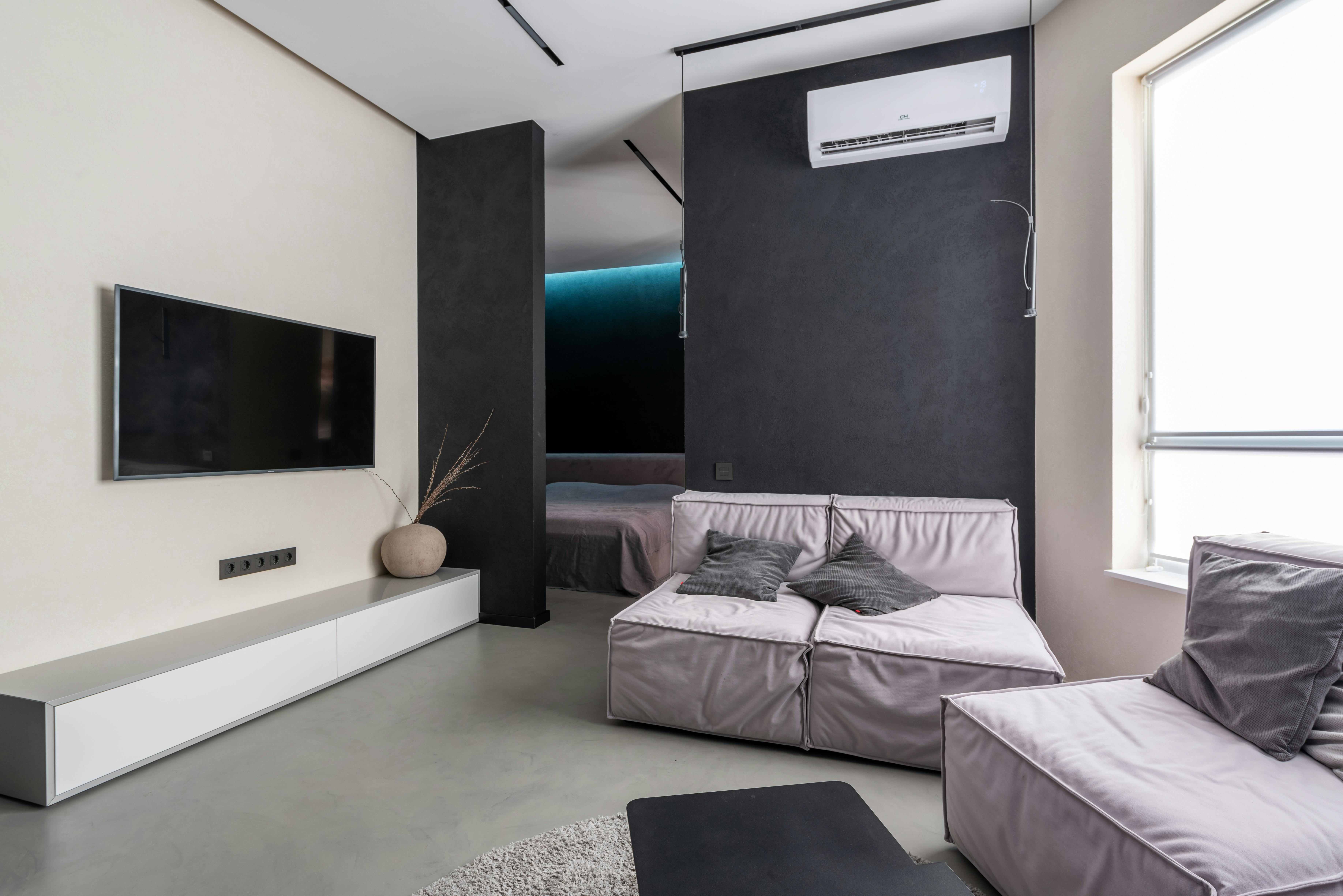
What Professional AC Repair Experts Check During Service Visits
Key Takeaways
- Regular AC maintenance improves cooling efficiency and extends the system's lifespan.
- Professional AC repair experts inspect airflow, refrigerant, and electrical components.
- Clean coils and filters help reduce energy costs.
- Early problem detection prevents expensive repairs.
- Routine servicing improves indoor comfort and air quality.
Air conditioning systems work hard throughout the year to maintain comfortable indoor temperatures. However, many homeowners only notice their HVAC system when something goes wrong. Strange noises, weak airflow, rising utility bills, or uneven cooling often signal deeper problems developing inside the system. Regular professional servicing helps identify these issues early before they turn into expensive repairs or complete system failures.
Experienced technicians follow a detailed inspection process during maintenance visits. Professional AC repair experts understand that every component inside an air conditioning system affects performance, energy efficiency, and long-term reliability. Their goal is not simply to fix immediate problems but also to improve system operation and prevent future breakdowns.
Routine inspections can improve cooling performance, lower monthly energy costs, and help homeowners avoid emergency repairs during peak summer months. Understanding what technicians check during a service visit also helps homeowners appreciate the value of professional HVAC maintenance.
Refrigerant Level and Leak Inspection
Refrigerant plays a central role in cooling performance. Low refrigerant levels can prevent the air conditioner from cooling properly while placing excessive strain on the compressor. Unlike fuel, refrigerant should not decrease under normal conditions. If levels are low, there is usually a leak somewhere in the system.
During maintenance visits, technicians measure refrigerant pressure and compare readings against manufacturer specifications. This process helps determine whether the system contains the correct refrigerant charge for optimal performance.
Professional AC repair experts also inspect refrigerant lines, fittings, coils, and valves for signs of leaks. Small refrigerant leaks can gradually reduce efficiency, making the system work harder to maintain comfortable temperatures. Identifying leaks early prevents larger mechanical failures and helps maintain consistent cooling efficiency.
Initial System Performance Evaluation
The first step in most service visits is to evaluate overall system performance. Technicians begin by asking homeowners about common concerns such as unusual noises, inconsistent cooling, poor airflow, humidity issues, or unexpected increases in electricity bills. These details help narrow down potential system problems before the inspection begins.
Technicians then run the air conditioner to observe how the system operates under normal conditions. They monitor startup performance, cooling cycles, thermostat communication, and airflow consistency throughout the home. This evaluation helps identify warning signs that may not yet be visible through physical inspection alone.
During this stage, professionals also inspect thermostat accuracy and calibration. A malfunctioning thermostat can cause uneven temperatures, excessive cycling, or wasted energy. Ensuring proper communication between the thermostat and HVAC system is essential for maintaining indoor comfort and energy efficiency.
Air Filter Inspection and Airflow Analysis
Restricted airflow is one of the most common causes of HVAC inefficiency and system strain. Dirty air filters force the system to work harder, reducing airflow, increasing energy consumption, and accelerating wear on critical components.
Technicians inspect the condition of air filters carefully during service appointments. If filters are clogged with dust, debris, or pet hair, they may recommend replacement or cleaning depending on the filter type. Proper airflow is critical because limited circulation can lead to frozen evaporator coils, overheating components, and poor indoor air quality.
Professionals also evaluate airflow throughout the duct system and vents. Weak airflow may indicate duct leaks, blower motor issues, blocked vents, or problems inside the air handler. Detecting these issues early can significantly improve cooling performance and reduce unnecessary stress on the system.
Electrical Component Testing
Air conditioning systems rely heavily on electrical components for safe and reliable operation. Faulty wiring, damaged capacitors, or failing electrical connections can create serious safety hazards while reducing HVAC performance.
Technicians inspect electrical wiring, relays, contactors, circuit boards, and capacitor performance during service visits. Loose or corroded electrical connections can increase resistance, generate excess heat, and damage system components over time.
Capacitors receive particular attention because they help motors start and operate efficiently. Weak capacitors can cause delayed startup, hard cycling, or complete system failure if left unaddressed. Technicians use specialized testing equipment to measure electrical performance and identify worn components before they fail completely.
Electrical inspections also help reduce fire risks associated with damaged wiring or overheating HVAC parts. This makes regular professional servicing important not only for comfort but also for household safety.
Evaporator and Condenser Coil Cleaning
The evaporator and condenser coils are essential for heat exchange inside an air conditioning system. Over time, these coils accumulate dirt, dust, pollen, and debris, reducing efficiency and restricting heat transfer.
Dirty evaporator coils can reduce cooling performance and cause the system to freeze. Meanwhile, clogged condenser coils force the outdoor unit to work harder when releasing heat, increasing energy consumption and compressor strain.
Technicians carefully inspect the coil's condition during service appointments. Depending on the severity of the buildup, they may perform deep-cleaning procedures to restore proper airflow and heat-exchange efficiency. Clean coils help maintain lower energy bills, stronger cooling performance, and longer system lifespan.
Outdoor condenser units are also inspected for vegetation, debris, or obstructions around the equipment. Maintaining adequate clearance around the outdoor unit allows for better airflow and improved heat dissipation.
Drain Line and Moisture Control Inspection
Air conditioning systems remove moisture from indoor air as part of the cooling process. Condensation produced during operation drains through a condensate line connected to the system. Over time, algae, dirt, or debris can clog these drain lines.
Blocked drain lines may cause water leaks, mould growth, humidity problems, or water damage inside the home. During maintenance visits, technicians inspect and clear condensate drain lines to ensure proper drainage.
Moisture control inspections are especially important in humid climates where excessive indoor humidity can affect comfort and indoor air quality. Proper drainage also helps prevent mould and mildew buildup around HVAC equipment.
Technicians may additionally inspect drain pans for cracks, rust, or standing water that could indicate developing drainage problems.
Blower Motor and Fan Inspection
The blower motor plays a major role in circulating cooled air throughout the home. If the blower motor becomes worn or dirty, airflow efficiency decreases, and the system may struggle to maintain consistent temperatures.
Technicians inspect blower motor performance, lubrication levels, fan balance, and overall operation during service visits. Dirty blower components can reduce airflow while increasing system strain and energy use.
Outdoor condenser fans are also checked carefully. Damaged fan blades, failing motors, or improper rotation can reduce heat-transfer efficiency and cause overheating in the outdoor unit.
Addressing fan and motor issues early helps maintain proper airflow and protects more expensive components, such as compressors, from unnecessary stress.
Wrapping Up
Professional air conditioning service visits involve much more than simple cleaning or quick repairs. Experienced HVAC technicians carefully inspect airflow, refrigerant levels, electrical systems, coils, drainage components, motors, and overall system efficiency to ensure reliable performance and long-term durability. These detailed evaluations help detect hidden problems early, improve energy efficiency, and reduce the likelihood of costly breakdowns. Regular maintenance also supports healthier indoor air quality and more consistent home comfort throughout the year. By investing in routine inspections from qualified professionals, homeowners can protect their HVAC systems, lower operating costs, and extend the lifespan of one of the most important systems inside the home.

Tuesday, May 19, 2026
Mock exam season is one of the more revealing periods of a teenager's school year. Real pressure arrives, often for the first time, and the habits of revision, sleep, and self-management all get tested at once. For families, it can feel like an awkward middle ground. The exams are not the real thing, but they matter enough that no one wants to dismiss them. Knowing how to be useful during this period takes some thought.
Take the mocks seriously, but in proportion
Mock exams are useful precisely because they prompt real preparation. A teenager who treats them as a dress rehearsal tends to arrive at the actual exams with stronger habits and a clearer sense of what works. At the same time, mocks are not the final word. A disappointing set of mock results can be enormously useful as a diagnostic, even though they feel painful at the time. Helping a teenager hold both ideas, that the mocks matter and that they are not the final story, is one of the most useful things a parent can do.
Support the revision, do not run it
Most teenagers benefit from a parent who is interested in their revision rather than one who is managing it. Asking how the planning is going, offering to test them on something specific if they would like, or simply making sure there is good food and quiet time available, tends to work better than building a wall chart or insisting on a particular method. A well-supported sixth form college typically provides structured study skills support and regular check-ins, and parents are most useful when they reinforce these school habits rather than building competing systems at home.
Protect sleep above almost everything else
Mock exam season tempts teenagers into late-night revision sessions, and the temptation needs gentle resistance. Sleep is when the brain consolidates the day's learning, and a well-rested student outperforms a tired one with the same level of preparation. Families who hold firm on reasonable bedtimes, even during exam weeks, tend to see better results overall. A short, focused evening of revision followed by good sleep is almost always more useful than a long, exhausted session.
Keep food, movement, and fresh air in the picture
Teenagers under stress often abandon the basics. They eat irregularly, stop exercising, and stay indoors for days at a time. None of these patterns supports good revision. A regular breakfast, a walk between revision sessions, and a proper meal in the evening all help the brain do its work. MPW Birmingham takes a holistic approach to its sixth form provision, recognising that strong academic outcomes rest on the foundation of healthy daily habits.
Listen more than you advise
Teenagers under pressure often want a sympathetic ear more than they want strategy. A short conversation in which a parent simply listens, asks gentle follow-up questions, and resists the urge to suggest immediate solutions, can be far more useful than the equivalent time spent giving advice. Sometimes a teenager just needs to say out loud that they feel overwhelmed, and the act of saying it, in front of someone who takes it seriously, releases some of the pressure.
Use the results well, whatever they are
When the mock results arrive, the way they are received in the family matters as much as the marks themselves. A strong set of results does not mean revision can be wound down. A weak set is not a verdict on the student. The most useful response is usually a calm conversation, ideally led by the teenager, about what the results suggest and what needs adjusting. Schools and colleges that handle this conversation well, with subject teachers offering specific feedback rather than general reassurance, give students a clear path forward.
Look after yourself too
Parents often absorb their teenager's exam stress without noticing. The household can quietly become tense in ways that no one quite acknowledges. Taking the occasional walk, keeping up with the things that usually steady you, and remembering that your teenager needs the adults around them to be reasonably calm, all matter. Exam season is a season. It passes.
To find out more about a college that supports students through this period, visit https://www.mpw.ac.uk/locations/birmingham.
Author Bio
MPW Birmingham is an independent sixth form college in central Birmingham, offering A levels, GCSEs, and university preparation programmes. The college is known for its small class sizes, personalised teaching, and strong record of progression to leading universities.



Social Media
Search