
Wednesday, September 9, 2026

As the summer term draws to a close and diaries fill with sports days and end-of-year assemblies, there is one part of the calendar that tends to stay with children long after the holidays begin: the school trip. Ask most adults about their favourite memory from school, and few will mention a spelling test. More often, it is the day the classroom door was left behind entirely.
There is a good reason those days linger in the memory. Time spent learning outside the usual four walls does something a worksheet rarely can.
Why Timing Matters More Than You Think
The end of the academic year is often when trips are packed in, and that is no accident. By the summer term, children have built the knowledge and confidence to make sense of what they are seeing. A visit to a Roman ruin lands differently when the term's history lessons have already set the scene. A field study by a river means more when the science behind it is fresh.
This is why forward-thinking schools treat trips as the culmination of learning rather than a break from it. The experience becomes a way of testing ideas in the real world, turning something abstract into something a child can touch, hear and remember.
Confidence That Builds Away From the Desk
Trips ask children to do things they might never attempt at a desk. They navigate a new place, work with classmates they do not usually sit beside, and adapt when plans change, as they inevitably do. These small challenges quietly build resilience.
Schools that value this kind of growth tend to weave trips through the whole year rather than saving them for a single treat. Families looking for an independent school that champions learning beyond the classroom often find that regular outings, from local woodland walks to museum visits, shape well-rounded, curious children. The White House School is one example of a setting where these experiences are seen as part of a rounded education rather than an add-on.
Making the Most of the Summer Ahead
As the holidays approach, parents have their own version of the school trip to plan. The good news is that the same principles apply at home. Learning outside the classroom does not require a coach and a packed lunch signed off by three teachers.
A few simple ideas can carry the spirit of the school trip into the summer:
- Visit a local historical site and let children lead the exploring.
- Spend an afternoon at a nature reserve, notebook in hand.
- Explore a museum with no set agenda, following whatever catches their interest.
- Cook a recipe from a country they have studied, and talk about where it comes from.
None of this needs to feel like homework. The value lies in curiosity, conversation and the chance to notice things that would never appear in a textbook.
Bringing It All Back to the Classroom
When September arrives, the best trips have a way of echoing through the term that follows. A child who stood in a cathedral, waded through a stream or watched a play come to life brings something back with them: a reference point, a story, a spark of interest that a teacher can build on.
That is the real case for school trips going beyond the classroom. They are not a day off from education. They are education, simply happening somewhere with better views. To see how one school approaches learning both inside and out, visit https://whitehouseschool.com.
---
*This article was contributed by the team at The White House School, an independent day school offering nursery and preparatory education. The school is known for its nurturing approach, small class sizes and commitment to learning beyond the classroom, helping children build confidence, curiosity and a genuine love of discovery from their earliest years.*


Here are the questions parents actually ask, answered plainly.
What is a prep school, and why does it matter?
A prep school prepares children for the next stage of their education, often a senior school at thirteen. But that word "prepares" undersells it. These years shape how a child approaches learning long after the timetable changes. A child who learns to ask good questions, manage their time and recover from a wrong answer carries those skills into every classroom that follows.
The academic groundwork matters, of course. So does everything around it: the friendships, the first taste of real responsibility, the moment a quiet child finds their voice in a play or on a sports pitch.
Isn't it too early to think about the "foundation" of an education?
Quite the opposite. The prep years are when the foundation is poured. Reading fluency, number sense, the confidence to speak in front of others: these develop most naturally when children are young enough to try things without fear of getting them wrong.
Children at this age are also forming their attitude to effort. A school that praises persistence rather than only results teaches a lesson that outlasts any exam. That's why so many parents look for a prep school that builds strong academic and personal foundations rather than one focused solely on test scores.
How do I know if a prep school is right for my child?
Look past the prospectus. A good visit tells you more than any glossy brochure. Watch how staff speak to pupils in the corridor. Notice whether children look engaged or simply compliant. Ask how the school supports a child who is struggling, and how it stretches one who is racing ahead.
Small class sizes tend to help, because teachers can spot when a child needs a nudge or a challenge. But the culture matters just as much as the numbers. A warm, purposeful environment does more for a seven-year-old than any single facility.
What about children who aren't especially academic?
Every child has something they're good at, though it isn't always the thing measured by a spelling test. The best prep schools understand this. They give children room to discover strengths in art, music, sport, drama or simply working well with others.
This breadth isn't a distraction from academic progress. It supports it. A child who feels capable in one area often gains the confidence to try harder in the subjects they find difficult.
Do the prep years really shape everything after?
To a surprising degree, yes. Ask an adult about their happiest or most formative school memory and it often lands somewhere in this stage. The teacher who believed in them. The first book they couldn't put down. The habit of curiosity that never quite went away.
Schools such as Barrow Hills understand that these years are about far more than preparing for the next entrance exam. They're about helping a child become someone who wants to keep learning. Parents who want to explore this further can visit https://barrowhills.org to see how that philosophy works in practice.
What should parents remember above all?
Choose the environment that fits your child, not the one that impresses the neighbours. The right prep school won't just prepare your child for the next stage. It will give them the confidence, curiosity and resilience to make the most of whatever comes after.
---
About the author
Barrow Hills School is an independent prep school set in beautiful grounds in Witley, Surrey, welcoming children from Nursery through to Year 8. Part of the Roman Catholic Diocese of Arundel and Brighton and a member of the Independent Association of Prep Schools, Barrow Hills is known for its nurturing, family atmosphere and its commitment to educating the whole child. The school combines strong academic standards with a rich programme of sport, music, art and outdoor learning, helping every pupil build the foundations for a confident and curious future.


Ask most parents what they want for their children and confidence sits near the top of the list, often above grades or accolades. It makes sense. A confident child is more willing to try, more able to recover from setbacks, and more likely to speak up when something matters. What often gets missed is that confidence is not a fixed trait some children are simply born with. It is a set of habits, and habits can be built.
Here are six practical ways to help confidence grow, one small step at a time.
1. Let them struggle before you step in
The instinct to rescue is strong, but a child who is always rescued learns that they cannot manage alone. Give them a moment with the difficult puzzle, the tricky friendship, the shoelace that won't cooperate. The point is not to leave them stranded. It is to let them discover that they can often find a way through. That discovery is where real confidence begins.
Takeaway: A little productive frustration teaches more than a quick fix ever could.
2. Praise the effort, not the outcome
"You're so clever" feels kind, but it quietly tells a child that ability is what counts. When the work gets harder and success no longer comes easily, that message backfires. Praising effort, persistence and strategy instead shows children that improvement is within their control.
Takeaway: Notice how they tried, not just what they achieved.
3. Give them real responsibilities
Confidence grows when a child feels genuinely useful. Feeding the family pet, helping cook a meal, or taking charge of a small household task sends a clear signal: you are capable and trusted. These jobs need not be large. What matters is that the responsibility is real and the outcome depends on them.
Takeaway: Trust, offered in small doses, builds belief.
4. Model calm in the face of mistakes
Children watch how the adults around them handle things going wrong. If a burnt dinner or a missed turning triggers frustration and blame, they learn that mistakes are shameful. If it prompts a shrug and a fresh attempt, they learn that mistakes are simply part of doing anything worthwhile. Confident children usually have adults nearby who are relaxed about getting things wrong.
Takeaway: Your reaction to your own errors is a lesson they absorb.
5. Widen their world beyond their comfort zone
New settings stretch a child in useful ways. A drama club, a sports team, a first solo trip to the corner shop; each one asks them to manage something unfamiliar and come out the other side. Schools that take this seriously build it into daily life through public speaking, performance and collaborative projects. a well-rounded education that nurtures both character and academic ability often gives children repeated, low-stakes chances to test themselves, which is exactly how self-assurance develops.
Takeaway: Confidence lives just outside the familiar.
6. Listen properly when they speak
Few things build a child's sense of worth like being genuinely heard. Putting the phone down, making eye contact, and taking their opinion seriously tells them their voice has value. A child who feels listened to at home is far more likely to speak with confidence elsewhere.
Takeaway: Attention is one of the most powerful confidence-builders you can offer.
The quiet work of it all
None of these steps is dramatic, and that is rather the point. Confidence is built through hundreds of small, consistent moments rather than one grand gesture. Whether at home or in a supportive learning environment such as King Edward's School, the aim is the same: to show children, again and again, that they are capable of more than they realise. Prioritise it, and you give them something that outlasts any single achievement.
You can find out more at https://kesw.org.
---
*This article was contributed by the team at King Edward's School, an independent school committed to academic excellence and the wider development of every pupil. Rooted in a long tradition of pastoral care and character education, King Edward's School supports children to grow into confident, thoughtful and capable young people ready for the world beyond the classroom.*


Watch any junior football team on a Saturday morning and you will spot the problem quickly enough. One child chases the ball everywhere, ignoring position and teammates alike. Another hangs back, unsure of their role. A third barks instructions nobody follows. The idea that some children are simply "natural" team players, while others are not, is one of the most persistent myths in child development. It also happens to be wrong.
The Myth of the Natural
Adults often describe a confident, cooperative child as a born team player, as though the skill arrived fully formed. In reality, that child has usually had more practice. They have been given chances to share, to lose gracefully, to listen when someone else has a better idea. Teamwork is not a personality trait you either have or lack. It is a set of habits, and habits are built.
This matters because the "born, not made" belief quietly lets everyone off the hook. If a child struggles to collaborate, we shrug and call them independent or headstrong. If they thrive, we praise their nature rather than the environment that shaped them. Both responses miss the point. The children who work well with others got there through repetition, feedback and encouragement.
Where the Habits Actually Form
So how does a child learn to be a genuine team player? It happens in small, ordinary moments, most of them at school.
Group tasks teach negotiation. When four children must build one model or plan one presentation, they learn that their idea is not the only idea. Sport teaches shared responsibility, and, crucially, how to handle both winning and losing without falling apart. Drama and music teach children to hold their own part while staying alert to everyone else. Even tidying a classroom together sends a quiet message: the outcome depends on all of us.
The best learning environments make these moments deliberate rather than accidental. Staff who understand this will structure activities so that cooperation is required, not optional, and then step back enough for children to work things out themselves. Schools that build teamwork into daily life, such as an independent school that treats collaboration as a core part of the curriculum, tend to produce young people who carry those habits well beyond the school gates.
Practical Steps for Parents
The good news is that parents do not need a sports field or a stage to help. A few simple approaches make a real difference:
- Give shared jobs at home. Cooking a meal together or planning a family outing forces small negotiations and compromises.
- Resist rescuing. When siblings or friends disagree, hold back before stepping in. Working through friction is where the skill grows.
- Praise the process, not just the result. Notice when a child listens, shares credit or supports someone who is struggling.
- Model it yourself. Children watch how adults behave in a group far more closely than they listen to instructions.
None of these will transform a child overnight, and that is rather the point. Teamwork is cumulative. Each small experience adds to the last.
The Long Game
There is a broader reason to take all this seriously. The ability to work well with others is one of the strongest predictors of success in adult life, from the workplace to friendships to family. Employers rank collaboration above almost every technical skill, precisely because it is harder to teach later on.
Which brings us back to the myth. If we accept that team players are made rather than born, we stop waiting for the trait to appear and start creating the conditions for it to grow. That shift, from hoping to helping, is where real progress begins. The children who seem to have it all figured out were once just as awkward on that Saturday morning pitch. They simply had more chances to practise, and the adults around them made those chances count.
---
*This article was contributed by the team at Tettenhall College, an independent day and boarding school in Wolverhampton known for its supportive community and emphasis on developing well-rounded young people. Tettenhall College welcomes pupils from nursery through to sixth form. To learn more about its approach to education, visit https://tettenhallcollege.co.uk.*


Ask a room full of parents what they want for their daughter, and you'll hear the same word again and again: thriving. Not just passing exams or ticking boxes, but genuinely flourishing, socially, academically and personally. So what do girls who thrive at independent school actually have in common? Here are the questions parents ask most often, answered plainly.
Is it really about being the cleverest in the room?
No, and this surprises people. The girls who thrive are rarely the ones chasing the highest mark for its own sake. They tend to be curious. They ask questions, they take an interest, and they're willing to have a go at something they might not get right first time.
Confidence to try matters more than raw ability. A girl who feels safe making mistakes will stretch herself, and that willingness compounds over years. Schools that create that sense of safety, where effort is noticed and setbacks are treated as part of learning, give girls room to grow into their potential.
Does the school environment actually make a difference?
It makes an enormous difference. The setting shapes the habits.
Thriving girls often come from environments where they are known as individuals rather than as one of a crowd. Smaller class sizes help, because a teacher who understands how a particular child thinks can adjust in the moment. Parents looking for a nurturing independent school in Harpenden often say it was this sense of being seen that stood out on their first visit.
The physical space matters too. Access to good facilities, a proper library, decent sports provision, space to be creative, quietly signals that a girl's interests are worth investing in.
What role do friendships play?
A bigger one than most people expect. Girls who thrive usually have strong, steady friendships, and they've learned how to navigate the bumps that come with them.
Good schools teach this actively. They talk about kindness, resolve conflicts sensibly, and give girls the language to handle disagreement without drama. A girl who feels socially secure has more energy left for everything else.
Are these girls involved in lots of activities?
Often, but not always. What they share is not a packed timetable but a sense of ownership over how they spend their time.
Some throw themselves into music or netball. Others prefer coding club or the school play. The common thread is that they've found at least one thing outside the classroom that feels like theirs. That anchor builds identity and resilience, and it tends to carry over into academic work.
Can any girl learn to thrive, or is it a personality thing?
Any girl can learn it. That's the encouraging part.
Thriving is not a fixed trait handed out at birth. It grows from the right conditions: adults who believe in her, expectations pitched to stretch rather than crush, and enough freedom to make choices and learn from them. Some girls arrive naturally sunny and self-assured. Others take longer to find their feet. Both can flourish given time and the right support.
What should parents look for when choosing a school?
Look past the glossy prospectus and watch how the girls behave. Do they make eye contact? Do they seem relaxed and engaged? Are they proud of their work?
Ask how the school handles a child who is struggling, because that answer tells you more than any exam league table. Notice whether staff talk about the whole child or only about grades. Schools such as St Hilda's build their approach around exactly this balance, and it shows in how settled the girls appear.
If you'd like to explore further, you can find more information at https://sthildasharpenden.co.uk.
The short answer
Girls who thrive share curiosity, secure friendships, a genuine interest of their own, and the confidence to try. None of that happens by accident. It comes from an environment that knows each girl, believes in her, and gives her the space to become herself. Get the setting right, and thriving follows.
---
*This article was contributed by the team at St Hilda's School, an independent day school for girls in Harpenden, Hertfordshire. St Hilda's is known for its warm, family atmosphere and its commitment to helping each girl develop confidence, curiosity and academic ambition in a supportive setting.*


Here are six practical ways to help children grow into thoughtful, respectful people, even when the world around them is anything but quiet.
1. Model the behaviour you want to see
Children copy far more than they are told. A parent who listens patiently, apologises when wrong and speaks kindly about others gives a child a working template for respect. Long lectures rarely stick. Consistent behaviour does.
Takeaway: Before correcting a child, check what you are showing them.
2. Teach the art of listening
Respect begins with attention. In a world of half-heard conversations and constant interruptions, the ability to truly listen has become rare and valuable. Encourage children to let others finish, to ask questions, and to sit with silence rather than rushing to fill it.
Takeaway: A good listener is often the most respected person in any room.
3. Set clear, calm boundaries
Respect and boundaries go hand in hand. Children feel safer, and behave more thoughtfully, when they understand what is expected of them. The key is consistency delivered without shouting. Firm and calm beats loud and inconsistent every time.
Takeaway: Boundaries are not the opposite of warmth. They are part of it.
4. Let them experience different viewpoints
A respectful child understands that other people think, feel and live differently. Exposure to a range of perspectives, through books, conversations and friendships, builds empathy. Schools that value character alongside academics often nurture this well. Families choosing a supportive independent school that prioritises character and community can find this ethos woven into daily school life.
Takeaway: Empathy is the foundation on which respect is built.
5. Praise the effort, not just the outcome
When a child holds a door open, includes a lonely classmate or admits a mistake, notice it. Recognising respectful behaviour reinforces it far more effectively than punishing its absence. Specific praise works best: name what they did and why it mattered.
Takeaway: What gets noticed gets repeated.
6. Give screens their proper place
Devices are not the enemy, but unmanaged they can crowd out the face-to-face interactions where respect is practised. Agreeing on screen-free times, such as mealtimes or the first hour after school, protects the space children need to connect properly with the people around them.
Takeaway: Real relationships need real attention.
A quieter kind of confidence
Raising a respectful child is not about producing someone quiet or compliant. It is about helping them become confident enough to disagree well, curious enough to understand others, and grounded enough to stay kind under pressure. That kind of character develops slowly, through steady example and the right environment.
Institutions such as Halliford School have long understood that education is about shaping people, not just results. Parents interested in learning more can visit https://hallifordschool.co.uk.
The noise is not going anywhere. But children who learn to listen, reflect and treat others well will always find their footing, however loud the world becomes.
---
*This article was contributed by the team at Halliford School, an independent day school for boys aged 11–18 and girls in the sixth form, based in Shepperton, Surrey. Halliford School combines strong academic standards with a genuine focus on character, kindness and individual development, preparing young people for life beyond the classroom.*
Friday, October 3, 2025
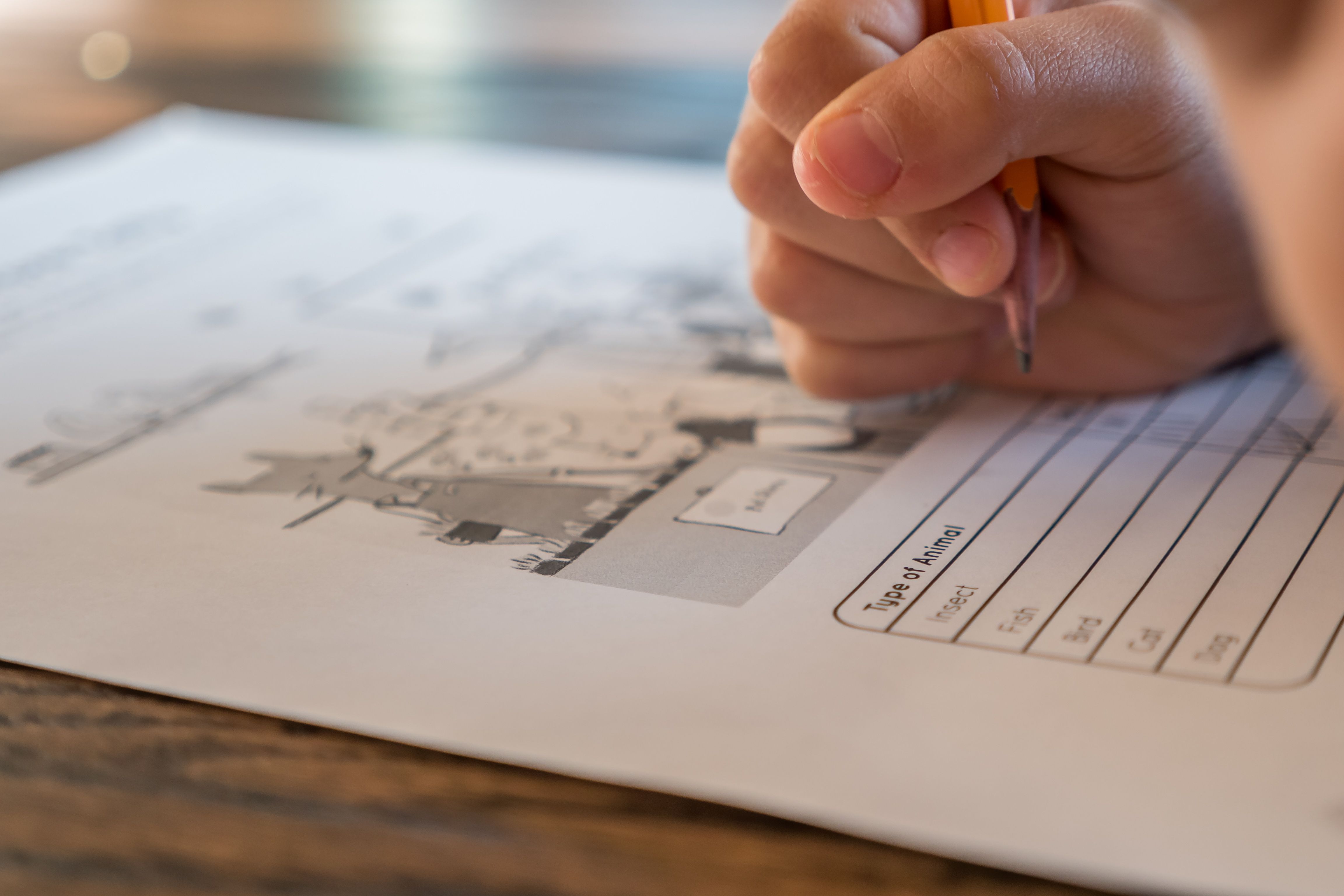
Exam season can be stressful, not just for students but for parents too. While children face the pressure of performing well, parents often wonder how best to support them without adding extra stress. The good news is that with the right balance of encouragement, structure, and care, you can help your child feel confident and prepared for their exams. Read on for some advice from a sixth form college in London.
Understanding the Role of Parents
Supporting your child through exam revision doesn’t mean doing the work for them. Instead, it’s about creating the right environment, encouraging healthy habits, and helping them manage their time and emotions. With a thoughtful approach, you can reduce pressure and make revision more effective.
Practical Ways to Support Your Child
1. Help Them Create a Realistic Revision Plan
Work with your child to break down their subjects into manageable chunks. A timetable that balances study with rest helps avoid cramming and burnout. Encourage them to set specific goals, such as revising one topic at a time, instead of vague aims like “study maths.”
2. Provide a Positive Study Environment
A quiet, organised, and distraction-free space can make all the difference. Make sure your child has everything they need—stationery, notes, and resources—so they can focus without unnecessary interruptions.
3. Encourage Regular Breaks
Research shows that short, focused bursts of revision are far more effective than long hours without rest. Suggest techniques like the “Pomodoro method” (25 minutes study, 5 minutes break) to help maintain focus and motivation.
4. Support Healthy Habits
Good nutrition, regular exercise, and enough sleep are just as important as revision. Encourage your child to eat balanced meals, take walks or play sport, and maintain a consistent bedtime routine. A healthy body supports a healthy mind.
5. Provide Encouragement, Not Pressure
Reassure your child that exams don’t define their worth. Praise their effort rather than only results, and remind them that it’s normal to feel nervous. A calm, positive attitude from you will help reduce their stress.
6. Use Different Revision Techniques
Not all children learn in the same way. Flashcards, mind maps, practice papers, and teaching material back to you can all be effective. Encourage your child to experiment and find the methods that work best for them.
Looking After Emotional Well-being
Exam pressure can affect mood and confidence. Be available to listen if your child wants to talk, and look out for signs of stress or anxiety. Sometimes, simply knowing they have your support can make a huge difference. If anxiety seems overwhelming, consider speaking to their school for additional support.
Supporting your child with exam revision is about balance—helping them stay organised and motivated while ensuring they also rest, eat well, and feel encouraged. Exams are a challenge, but with the right support, children can approach them with resilience and confidence. Remember, your calm reassurance and belief in them is one of the most powerful tools you can provide.

In an age where keyboards and touchscreens dominate daily life, handwriting may feel less essential than it once was. Yet, handwriting remains a fundamental skill for children, not only for academic success but also for supporting creativity, memory, and fine motor development. Many parents wonder how they can best support their child’s handwriting journey. The good news is that with patience, encouragement, and the right strategies, you can make a real difference. Read on for some guidance from an independent prep school in North London.
Why Handwriting Matters
Handwriting is more than putting pen to paper. It strengthens hand muscles, develops coordination, and builds the foundation for clear communication. Research also shows that writing things down helps with memory and learning, making handwriting an important skill in school and beyond.
Common Challenges Children Face
Some children take naturally to handwriting, while others may struggle. Common difficulties include:
· Grip and posture issues – holding a pencil too tightly or slouching.
· Letter formation – inconsistent size, spacing, or shape of letters.
· Speed and fluency – writing too slowly, or with difficulty keeping up in class.
· Confidence – children may become frustrated if they compare themselves to peers.
Understanding these challenges is the first step in offering meaningful support.
Practical Ways to Help at Home
1. Start with Fine Motor Skills
Activities such as playing with clay, threading beads, or using scissors help strengthen the small muscles in the hands and fingers. These skills are essential for good pencil control.
2. Focus on Pencil Grip and Posture
Show your child how to hold a pencil using the “tripod grip” (thumb, index, and middle finger). Ensure they sit comfortably at a table with feet flat on the floor and paper at a slight angle.
3. Make Practice Fun
Instead of worksheets alone, encourage playful writing. Try chalk on the pavement, painting letters with a brush, or tracing shapes in sand. Turning handwriting into a game makes it enjoyable rather than a chore.
4. Encourage Consistent Letter Formation
Guide your child to form letters from the top down and to follow the correct sequence of strokes. Using lined paper or handwriting books can help with sizing and spacing.
5. Celebrate Progress
Praise effort as much as results. A simple “Well done, your letters are much clearer today!” can boost confidence and motivation.
6. Set Realistic Goals
Short, regular practice sessions are far more effective than long, tiring exercises. Aim for 5–10 minutes a few times a week, building up gradually.
When to Seek Extra Support
If handwriting difficulties persist or significantly affect schoolwork, it may be worth speaking with your child’s teacher. Some children benefit from additional support, such as occupational therapy or specific handwriting programmes. Early intervention can prevent frustration and boost confidence.
Helping your child with handwriting is about encouragement, patience, and practice. By making it fun and supporting them with the right tools and techniques, you can give your child confidence in this lifelong skill. Remember: every child progresses at their own pace, and celebrating small successes makes all the difference.
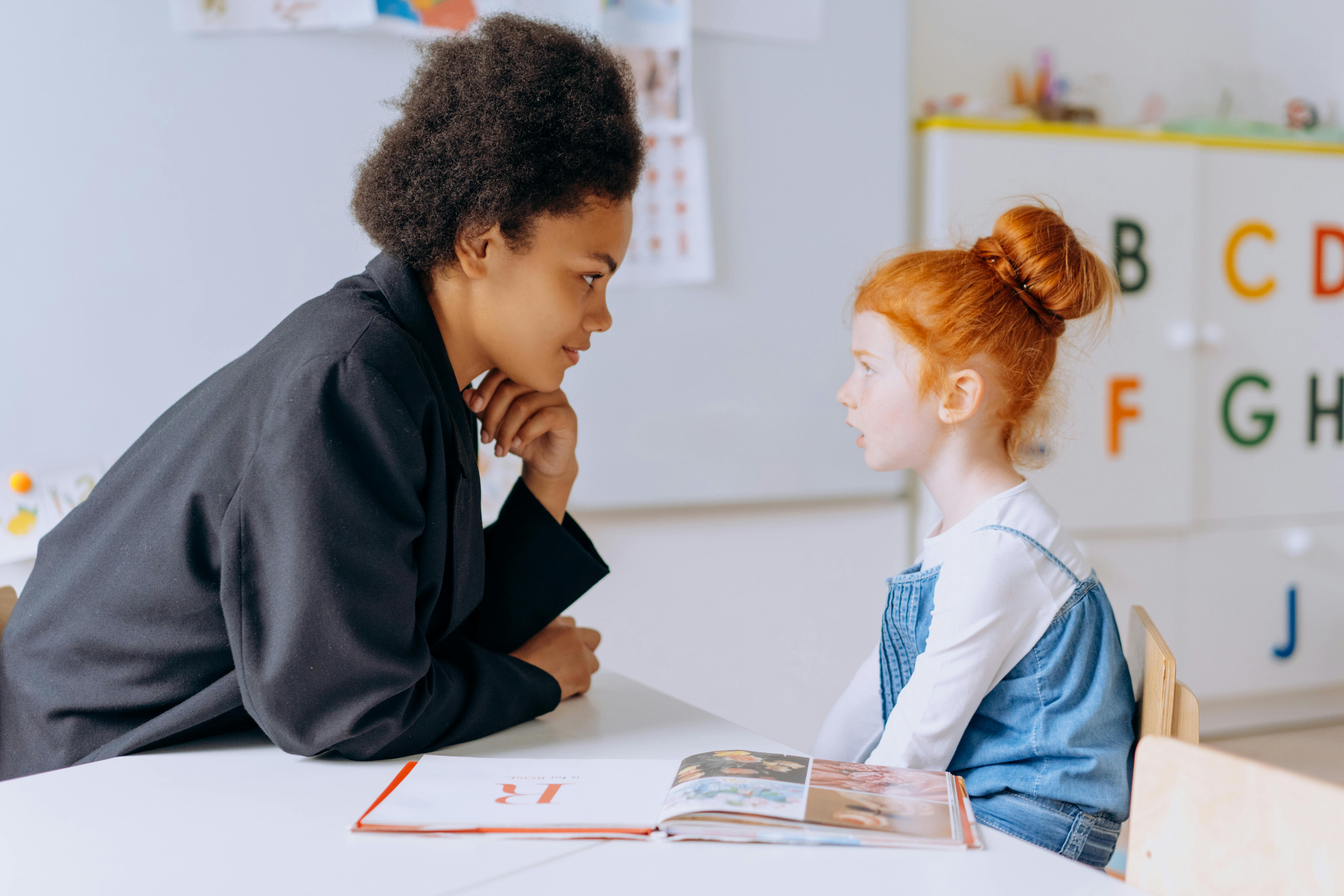
When parents choose a private school for their child, they often think of high academic standards, excellent facilities, and small class sizes. But beyond academics, one of the most important aspects of a child’s school experience is pastoral care, the support and guidance that ensures children feel safe, valued, and able to thrive. In private schools, pastoral care is often a central focus, shaping not just a child’s education but also their overall well-being.
What Does Pastoral Care Mean?
Pastoral care refers to the systems, people, and practices that support students’ personal development, emotional health, and social growth. It goes beyond classroom teaching, focusing on the child as a whole individual. At its heart, pastoral care is about ensuring that every child feels nurtured, understood, and supported throughout their school journey.
Key Elements of Pastoral Care at Private Schools
1. A Strong Support Network
Private schools usually have dedicated staff responsible for pastoral care, such as form tutors, heads of year, or pastoral leads. These trusted adults build close relationships with students, acting as a first point of contact if a child is struggling academically, emotionally, or socially. Smaller class sizes also allow teachers to know each child personally.
2. Focus on Well-Being and Mental Health
Private schools often embed well-being initiatives into daily life. This might include mindfulness sessions, resilience workshops, or access to trained counsellors. Children are taught how to manage stress, handle challenges, and look after their mental health, a vital foundation for lifelong success.
3. Character Development and Values
Pastoral care is not just about responding to problems, it’s also about proactively nurturing character. Private schools tend to place a strong emphasis on values such as respect, kindness, leadership, and responsibility. Through assemblies, mentoring, and co-curricular activities, students develop the moral and social compass needed to navigate life.
4. Safe and Inclusive Environments
Creating a safe space is central to pastoral care. Private schools often have robust anti-bullying policies and initiatives that promote inclusivity. Diversity is celebrated, and
pupils are encouraged to show empathy and acceptance towards others, helping them feel part of a supportive community.
5. Parental Partnership
Strong communication between schools and families is a hallmark of pastoral care in private education. Parents are kept informed not only about academic progress but also about their child’s overall development. This partnership ensures that children receive consistent support both at home and at school.
6. Opportunities Beyond the Classroom
Extracurricular activities, from sports and music to debating and volunteering, are a vital part of pastoral care. They allow children to build confidence, explore passions, and form friendships. These experiences enrich school life and support social and emotional growth.
Why Pastoral Care Matters
Pastoral care shapes how children feel about themselves and about learning. When students feel supported, safe, and understood, they are more confident, engaged, and resilient. In private schools, the commitment to pastoral care ensures that children are not only prepared academically but also equipped with the emotional and social tools they need to flourish in life.
At private schools, pastoral care is woven into the very fabric of education. It’s about creating an environment where children are cared for as individuals, where their strengths are nurtured, and where they are given the tools to meet life’s challenges with confidence. For parents, knowing that their child will be supported in this way provides peace of mind, and for students, it makes school a place where they can truly thrive.
As children grow, they learn not just through formal education but also through the experiences and activities that spark their curiosity. Hobbies, whether drawing, playing sports, building with blocks, gardening, or even collecting things, play a vital role in shaping a child’s development. They’re not just pastimes; they are building blocks for life skills, creativity, and confidence. We’ve teamed up with a private school in West Sussex to explore why hobbies are important for children below.
1. Encouraging Creativity and Imagination
Hobbies give children the freedom to explore ideas without the pressures of right or wrong answers. Whether it’s painting a picture, inventing a new game, or playing an instrument, hobbies allow kids to express themselves and think outside the box. This kind of creative play fuels imagination, which later supports problem-solving skills and innovation.
2. Building Confidence and Self-Esteem
When children engage in activities they enjoy, they often see progress over time. Learning to play a song on the piano or scoring a goal in football can feel like big victories. These achievements, however small, help build self-confidence and a sense of accomplishment, teaching them that practice and perseverance lead to success.
3. Developing Patience and Resilience
Many hobbies, such as learning to knit, coding, or practicing a sport, require patience and repeated effort. Children quickly learn that not everything comes easily, and mistakes are part of the process. This resilience is an invaluable life skill that helps them face challenges in school and beyond.
4. Improving Focus and Discipline
When kids dedicate time to a hobby, they learn about routine, focus, and commitment. Regular practice in something they love translates into discipline that can positively influence their studies and other areas of life. It teaches them to manage their time and prioritise tasks, a habit that becomes crucial as they grow older.
5. Enhancing Social Skills
Many hobbies naturally bring children together. Team sports, dance classes, drama clubs, or even chess groups provide opportunities to build friendships, practice teamwork, and develop communication skills. Shared hobbies also give children a sense of belonging and community.
6. Promoting Mental Well-Being
Hobbies can act as an outlet for stress and anxiety, even for children. Activities such as reading, drawing, or playing music provide relaxation and joy, supporting their emotional well-being. Having a hobby also helps children feel grounded, giving them a healthy balance between schoolwork and downtime.
7. Discovering Talents and Passions
Exploring different hobbies allows children to discover what excites them most. These early passions may eventually shape their career paths or lifelong interests. More importantly, hobbies teach them curiosity, the willingness to try new things and embrace learning in everyday life.
Hobbies are far more than ways to pass the time; they are essential for a child’s holistic development. By encouraging children to explore different activities, parents and caregivers are giving them the tools to become creative, confident, resilient, and well-rounded individuals. Whether it’s art, sport, music, or something completely unique, hobbies are gifts that children carry with them for life.
Friday, August 8, 2025

As we’re all aware, climate change is a growing concern, and we must all do our bit to protect the planet. Children should be educated on the matter and do their part as well as adults and is especially important now as it is central to how we go about day-to-day life. Below is some advice from an independent school in Warwickshire for parents.
Explain Why They Must Be Environmentally Responsible
Start by explaining the importance of environmental responsibility and the challenges the planet’s facing. This will help them understand why more must be done and encourage them to do their bit.
What You Can Do as a Family
There are a number of things that you can start doing as a family to reduce your carbon footprint, such as turning electronics off when not in use and switching them off at the mains as opposed to leaving them on standby. Travel is another area to look at. While it’s convenient, driving adds to air pollution and burns finite fossil fuels.
Upcycling Projects
We’ve become extremely wasteful as a society. Instead of mending items, we throw them away. Materials such as plastic have a long-life span and can be used again with a little creativity. You can work on projects and look at how irreparable items can be upcycled into new pieces. Milk bottles for example can be turned into watering cans for the garden, and old knits can be used to recreate new garments.
Set a Good Example
For children to go out of their way and do their bit, they need a good role model to set an example and champion them to do the right thing. Even making use of services such as http://sellformula.com/ and telling your children about this is a great way to lead by example.

Monday, October 14, 2024
Helping your child improve their spelling is a vital part of their overall literacy development. Good spelling skills contribute to effective communication, better reading, and improved writing. Whether your child is struggling with spelling or you simply want to give them a boost, there are many strategies you can use to make spelling fun and engaging. Inspired by the teachings of this preparatory school in Surrey, below are practical tips to improve your child’s spelling.

1. Foster a Love for Reading
One of the best ways to improve spelling is through regular reading. Children who read more are exposed to a wide range of words, which helps them recognise common spelling patterns. Encourage your child to read books that they enjoy, and provide them with a variety of reading materials, such as magazines, comics, or newspapers, to keep it fun. The more they read, the more familiar they become with how words are spelled.
2. Practice Spelling Through Games
Turning learning into a game can make spelling practice less of a chore. There are many spelling games available, both online and offline, that can help reinforce spelling skills. For example:
· Scrabble or Boggle are fun ways to practice spelling with the whole family.
· Online platforms like Spelling City or BBC Bitesize offer interactive spelling exercises and games. These games encourage children to think about word construction in a playful, low-pressure environment.
3. Use Mnemonics for Tricky Words
Mnemonics are memory aids that can help children remember the correct spelling of difficult words. For example, the word "because" can be remembered with the phrase: Big Elephants Can Always Understand Small Elephants. Teaching your child to create their own mnemonic devices can be a fun and creative way to improve their spelling of tricky words.
4. Break Words Into Syllables
Breaking words into smaller syllables can make them easier to spell. For instance, the word "interesting" can be split into in-ter-est-ing. This method helps children understand the structure of a word and makes longer words less intimidating. Practice saying and clapping out syllables to reinforce the idea.
5. Use Visual Learning Techniques
Children often learn best through visual means. You can create visual flashcards with the word on one side and a picture that represents it on the other. This technique helps children associate the word with an image, making it easier to remember the spelling. You could also try spelling words with magnetic letters on the fridge or writing them out in colourful markers to appeal to your child’s sense of sight.
6. Encourage Writing Practice
The more children practice writing, the more they become familiar with how words are spelled. Encourage your child to write regularly, whether it’s keeping a journal, writing letters to family members, or creating their own stories. This helps reinforce spelling patterns and allows them to apply their knowledge in a real-world context.
7. Teach Common Spelling Rules
There are several spelling rules that can help children improve their spelling. For example, the “I before E except after C” rule or understanding when to double consonants in words like “hopping” versus “hoping.” While not every word follows these rules, they can provide helpful guidelines for children as they learn to spell.
8. Provide Positive Reinforcement
Spelling can be challenging for some children, and it’s important to provide positive reinforcement when they make progress. Celebrate small victories and avoid focusing too m
on mistakes. Correcting errors is important, but offering encouragement can boost their confidence and make them more motivated to improve.
Improving your child’s spelling takes time, practice, and patience. By making the process enjoyable through games, visual aids, and regular practice, you can help your child develop strong spelling skills that will serve them throughout their academic journey. Every child learns differently, so experiment with these tips to see which methods work best for your child.

Friday, September 6, 2024

In today's educational landscape, online learning has become a prominent option for many families. With its flexibility and diverse resources, it can be an excellent choice for some students. But how do you determine if online learning is the right fit for your child? Here are some key considerations to help you decide.
Assessing Your Child’s Learning Style
One of the first factors to consider is your child’s learning style. Online learning offers a variety of formats, including video lectures, interactive simulations, and virtual discussions. If your child thrives in a self-paced environment and enjoys working independently, online learning might be ideal. Conversely, if they benefit from hands-on activities and face-to-face interactions, traditional classroom settings might be more effective.
Evaluating Your Child’s Motivation and Discipline
Online learning requires a high level of self-motivation and discipline. Students need to manage their time effectively, complete assignments on their own, and stay engaged without the immediate presence of a teacher. If your child is self-driven and can work independently, online learning or home-schooling can be a great option. However, if they struggle with motivation and time management, a more structured classroom setting might be better suited.
Considering Technological Readiness
Successful online learning depends on access to reliable technology. Ensure your child has access to a computer, high-speed internet, and any necessary software. Additionally, your child should be comfortable using technology and navigating online platforms. If they are not tech-savvy or do not have the necessary equipment, online learning could become a frustrating experience.
Reviewing Curriculum and Quality
The quality of online programs can vary widely. It’s important to research and choose programs that offer a rigorous curriculum, qualified instructors, and engaging materials. Look for programs that are accredited and have positive reviews from other parents and students. A well-designed online program should provide a comprehensive education similar to what is offered in traditional schools.
Understanding Social Interaction Needs
Social interaction is an essential part of a child’s development. Online learning can sometimes be isolating, as it lacks the social dynamics of a traditional classroom. Consider how important social interactions are for your child and whether they have other opportunities to socialise, such as extracurricular activities, sports, or community events. If socialisation is a key concern, make sure the online program includes opportunities for virtual group work or forums.
Evaluating Special Needs and Support
If your child has special educational needs or requires additional support, investigate whether online learning programs can accommodate these needs. Some programs offer specialised support services, such as tutoring or counselling, which can be beneficial. Ensure that the program you choose provides the necessary resources and support to help your child succeed.
Weighing Flexibility vs. Structure
Online learning offers significant flexibility in terms of scheduling and pace. This can be advantageous if your family has a non-traditional schedule or if your child has other commitments. However, it can also lack the structure of a traditional classroom, which might be necessary for some students to stay on track. Consider how well your child adapts to flexible schedules and whether they need the structure provided by a conventional classroom environment.
Online learning can be a fantastic educational option for many children, offering flexibility, diverse resources, and the ability to learn at their own pace. However, it’s important to carefully evaluate your child’s learning style, motivation, technological readiness, and social needs before making a decision. By considering these factors, you can determine whether online learning is the right choice for your child and ensure they have a fulfilling and successful educational experience.


Choosing the right prep school for your child is a critical decision that can set the foundation for their academic journey and personal development. Prep schools serve as stepping stones between early childhood education and higher education, often preparing students for rigorous high school and college programs. But what makes a prep school stand out as a good one? Here are some key factors to consider.
1. Strong Academic Curriculum
This private school in Surrey suggests that a good prep school offers a robust academic program that challenges students and prepares them for future educational endeavours. The curriculum should be comprehensive, covering core subjects like maths, science, English, and history, while also encouraging critical thinking, creativity, and problem-solving skills. Schools that integrate STEM (Science, Technology, Engineering, and Mathematics) education and advanced courses in the arts or humanities provide a well-rounded learning experience. Look for schools that not only follow but often exceed state or national educational standards.
2. Qualified and Passionate Teachers
Teachers play a pivotal role in a student’s academic success and personal growth. A good prep school employs highly qualified educators who are not only knowledgeable in their subject areas but are also passionate about teaching. Beyond academic qualifications, teachers should be able to connect with students, fostering a nurturing and encouraging learning environment. Personalised attention and small class sizes are often hallmarks of top prep schools, allowing teachers to focus on the individual needs of each student.
3. Extracurricular Activities
Education isn't just about textbooks and exams; it also includes the development of social skills, teamwork, and leadership. A good prep school offers a diverse range of extracurricular activities, from sports to arts, music, drama, and clubs focused on various interests like robotics, debate, or community service. These activities help students build confidence, learn how to work collaboratively, and develop interests outside of academics. Extracurriculars are crucial in helping students form a well-rounded character and preparing them for the challenges of high school and beyond.
4. Supportive Learning Environment
The right prep school provides a safe and supportive learning environment where students feel comfortable to express themselves, take risks, and grow. This encompasses not just
physical safety but also emotional and mental well-being. Schools that prioritise diversity, inclusivity, and a positive school culture contribute to a student's overall happiness and success. A strong sense of community, where parents, teachers, and students work together, is vital. The presence of guidance counsellors, learning support staff, and mental health resources also highlights a school’s commitment to its students' holistic development.
5. Character Development
Beyond academics, a good prep school places an emphasis on character education. Values like respect, responsibility, perseverance, empathy, and integrity are often incorporated into the daily routines and interactions at school. Schools with strong character-building programs encourage students to develop a sense of social responsibility, self-discipline, and a positive moral compass. This not only prepares them for future academic challenges but also helps shape them into responsible, kind, and thoughtful adults.
6. Effective Leadership and Vision
A prep school’s leadership is another significant factor that determines its overall quality. A good head of school or principal provides clear vision and direction while remaining accessible to students, staff, and parents. Effective leadership fosters a sense of stability, consistency, and a positive school culture. Additionally, a good prep school should have a well-articulated mission statement and long-term goals that align with the values and needs of its students and families. Transparent communication, sound governance, and a commitment to continuous improvement are signs of a strong leadership team.
7. Strong Track Record and Reputation
Lastly, a good prep school will have a strong track record of academic achievement, as well as a solid reputation in the community. Look for schools with high rates of student success, whether that means admission to top high schools, strong standardised test scores, or well-rounded graduates who go on to excel in various fields. Reviews and testimonials from current and former students, as well as their parents, can offer valuable insights into the school’s culture and effectiveness.
A good prep school is more than just a place where students attend classes; it’s an environment that fosters academic excellence, personal growth, and strong character development. By providing a challenging curriculum, passionate teachers, a supportive community, and a wide array of extracurricular opportunities, the right prep school can set your child on a path to success both inside and outside the classroom. When choosing a prep school, consider these factors carefully to ensure that your child will thrive in their educational journey.

Monday, August 19, 2024

Senior school, often seen as a pivotal stage in a student’s educational journey, encompasses a range of experiences, routines, and challenges. For many, it marks a transition into more specialised learning and increased independence. But what does a typical day at senior school actually look like? Let’s delve into the details, inspired by the teachings of this prep school in Cheshire.
Morning Routine: The Start of the Day
A senior school day usually begins early, with students arriving around 8:00 AM. The morning routine often includes a brief period of homeroom or tutor time, where students check in with their form tutors. This time is used for administrative purposes, discussing the day’s schedule, and addressing any immediate concerns. It’s also an opportunity for students to catch up on school announcements and participate in any quick, formative activities to set a positive tone for the day.
Academic Lessons: Focused Learning
Following homeroom, students transition into their first set of classes. Senior school curriculum typically includes core subjects such as mathematics, science, and English, alongside elective subjects chosen by students based on their interests and career aspirations. Lessons are generally 50-60 minutes long, with a short break in between. The academic environment in senior school is often more rigorous compared to previous years, with a focus on preparing students for higher education or vocational paths.
Break Time: Social and Relaxation
Break time usually lasts about 15-20 minutes and provides students with a chance to relax, socialise, and recharge. It’s a lively period where students catch up with friends, grab a snack, or simply unwind. During this time, students might also engage in extracurricular activities or attend meetings for clubs and societies. It’s a crucial part of the school day as it helps students balance their social and academic lives.
Midday: Lunch and Leisure
Lunch is typically a longer break, around 45 minutes to an hour. Students either bring their own meals or purchase food from the school cafeteria. This period is not only about eating but also about socialising and taking a breather before the afternoon’s classes. It’s common for students to use this time to participate in informal group activities or catch up on homework.
Afternoon Lessons: Continued Learning
After lunch, students head back to their classrooms for the remainder of their lessons. The afternoon sessions might include additional core subjects or specialised classes, depending on the students' chosen curriculum. The latter part of the day might also include time for project work, group assignments, or practical exercises. For senior students, this is often a time to focus on their coursework, study for upcoming exams, or work on long-term projects.
After-School Activities: Enrichment and Development
Once the academic day concludes, usually around 3:30 PM or 4:00 PM, many students engage in extracurricular activities. Senior schools often offer a wide range of options, including sports teams, music ensembles, drama clubs, and various academic societies. These activities are essential for personal development and provide students with opportunities to explore interests beyond the classroom.
Homework and Study: Preparing for Tomorrow
As the school day winds down, students head home and start on their homework. The amount of homework can vary, but it’s generally designed to reinforce classroom learning and prepare students for upcoming assessments. Senior students may spend several hours in the evening completing assignments, studying for exams, or working on projects.
Evening Routine: Balancing Life
Finally, students wrap up their day with family time, relaxation, or additional study. Balancing academic responsibilities with personal time is crucial for maintaining overall well-being. It’s important for students to find time to unwind and engage in activities they enjoy.
In summary, a day at senior school is a blend of academic rigor, social interaction, and extracurricular involvement. It’s a time of growth and development, preparing students for the next stages of their educational and personal lives.


In recent years, the debate over single-sex education versus co-educational systems has been a focal point for educators, parents, and policymakers. While co-education has its own merits, single-sex education has demonstrated several distinct benefits that are worth considering. This blog explores the key advantages of single-sex schooling and how it can enhance students' academic and personal growth.
Tailored Learning Environments
Single-sex education allows for the creation of tailored learning environments that cater specifically to the needs and learning styles of each gender. Research suggests that boys and girls often have different learning preferences and developmental timelines. For instance, boys may benefit from more kinaesthetic and hands-on learning experiences, while girls might excel in collaborative and discussion-based settings. Like this private school in Dublin suggests, single-sex schools can design curricula and teaching methods that align with these preferences, potentially leading to a more effective and engaging educational experience.
Reduced Gender Stereotyping
In a single-sex setting, students are less likely to encounter gender stereotypes that can influence their academic choices and self-perception. For example, girls in single-sex schools might feel more empowered to pursue subjects like maths and science without the fear of reinforcing traditional gender roles. Similarly, boys might be more inclined to explore the arts and humanities without worrying about societal expectations. This freedom to explore diverse interests can help students develop a more well-rounded set of skills and interests.
Enhanced Academic Performance
Studies have shown that single-sex education can lead to improved academic performance. One reason is that single-sex environments often provide a more focused atmosphere, minimising distractions and allowing students to concentrate better on their studies. Additionally, with gender-specific teaching strategies and role models, students may experience increased motivation and confidence in girls in single-sex schools have been observed to outperform their peers in co-educational settings in subjects like mathematics and science.
Increased Participation and Leadership Opportunities
Single-sex schools often foster an environment where students feel more confident and willing to participate in activities that might be less accessible in a co-educational setting. In these schools, girls might take on leadership roles in science clubs or engineering projects, while boys might engage more actively in creative writing or drama. The absence of gender competition can create a more supportive environment for students to take risks and develop leadership skills.
Improved Social and Emotional Development
Single-sex education can also positively impact social and emotional development. With fewer distractions related to gender dynamics, students may experience reduced social anxiety and greater self-esteem. Single-sex settings can provide a supportive atmosphere where students feel more comfortable expressing themselves and building strong peer relationships. This can be particularly beneficial during the adolescent years, a time of significant personal and emotional growth.
Preparation for Diverse Environments
One argument against single-sex education is that it may not prepare students for the mixed-gender environments they will encounter in higher education and the workforce. However, many single-sex schools address this concern by incorporating activities and programs that promote interaction with the opposite sex. These might include joint extracurricular activities, sports competitions, or community service projects, ensuring that students develop the social skills needed for success in diverse settings.
Single-sex education offers several benefits, including tailored learning environments, reduced gender stereotyping, improved academic performance, and enhanced leadership opportunities. While it may not be the ideal solution for every student, the advantages it provides can significantly contribute to academic and personal development. As education continues to evolve, considering the benefits of single-sex education can help in crafting more effective and inclusive learning experiences.


Science education plays a crucial role in shaping the minds of young students. It fosters critical thinking, encourages curiosity, and equips students with the knowledge they need to navigate the modern world. Inspired by the teachings of this private school in Essex, below are some of the key benefits of science lessons in schools.
Developing Critical Thinking Skills
One of the most significant benefits of science education is the development of critical thinking skills. Science lessons require students to observe, hypothesise, experiment, and analyse data. This process encourages them to think logically and make decisions based on evidence. By engaging in scientific inquiry, students learn to ask questions, seek answers, and evaluate information critically. These skills are not only essential for scientific pursuits but are also invaluable in everyday life, helping students make informed decisions and solve problems effectively.
Encouraging Curiosity and Creativity
Science lessons fuel curiosity and creativity in students. The natural world is full of mysteries, and science provides the tools to explore and understand these mysteries. When students are encouraged to ask questions and explore their ideas, they develop a love for learning that extends beyond the classroom. This curiosity drives them to seek knowledge, experiment with new concepts, and think creatively about solving problems. For example, when learning about electricity, students might create simple circuits or design their own experiments to see how different materials affect conductivity. This hands-on approach not only makes learning fun but also sparks a lifelong interest in discovery.
Building a Strong Foundation for Future Careers
In today’s technology-driven world, science education is more important than ever. Many of the fastest-growing careers are in fields related to science, technology, engineering, and mathematics (STEM). By providing a strong foundation in science, schools prepare students for these careers and equip them with the skills needed to succeed in a competitive job market. Even for students who do not pursue STEM careers, a solid understanding of scientific principles is beneficial. It helps them understand the technology they use every day, make informed health decisions, and engage with scientific issues in society, such as climate change or medical advancements.
Promoting Environmental Awareness
Science lessons often include topics related to the environment, such as ecosystems, conservation, and climate change. By studying these topics, students become more aware of the impact humans have on the environment and the importance of sustainability. This awareness fosters a sense of responsibility and encourages students to take action to protect the planet. For example, students might learn about recycling, energy conservation, or the importance of preserving biodiversity. These lessons instil values of environmental stewardship that can lead to more sustainable behaviours in their personal lives and future careers.
Enhancing Collaboration and Communication Skills
Science education often involves group projects, experiments, and discussions, which enhance students' collaboration and communication skills. Working in teams allows students to share ideas, debate theories, and learn from each other’s perspectives. This collaborative environment not only helps them understand scientific concepts more deeply but also prepares them for the teamwork required in many professional settings. Additionally, communicating scientific ideas clearly and effectively is an important skill that is emphasised in science lessons. Whether it’s writing lab reports or presenting findings, students learn to articulate their thoughts in a structured and logical manner.

Tuesday, July 9, 2024

Exams can be a significant source of stress for students of all ages. The pressure to perform well, coupled with the fear of failure, can lead to anxiety and other stress-related symptoms. However, with the right strategies, it's possible to manage exam stress effectively. Inspired by the practices of this independent school in Northampton, here are some practical tips to help you stay calm and focused during exam season.
1. Plan and Organise
One of the most effective ways to reduce exam stress is to be well-prepared. Start by creating a study schedule well in advance of your exams. Break down your study material into manageable chunks and allocate specific times for each subject. Having a clear plan will help you avoid last-minute cramming and give you a sense of control over your study routine.
Tips for Planning and Organising:
· Use a planner or digital calendar to track your study sessions.
· Prioritise subjects based on difficulty and importance.
· Set realistic goals for each study session.
· Review and adjust your plan regularly to ensure it remains effective.
2. Practice Relaxation Techniques
Incorporating relaxation techniques into your daily routine can help you manage stress levels. Practices such as deep breathing, meditation, and mindfulness can calm your mind and reduce anxiety. These techniques can also improve your focus and concentration, making your study sessions more productive.
Relaxation Techniques to Try:
· Deep Breathing: Take slow, deep breaths in through your nose and out through your mouth. Repeat for a few minutes until you feel more relaxed.
· Meditation: Spend a few minutes each day in quiet meditation. Focus on your breath or use a guided meditation app.
· Mindfulness: Practice being present in the moment. Pay attention to your thoughts and feelings without judgment.
3. Maintain a Healthy Lifestyle
Your physical health has a significant impact on your mental well-being. Ensure you are eating a balanced diet, getting regular exercise, and sleeping well. A healthy lifestyle can
boost your energy levels, improve your mood, and enhance your overall ability to cope with stress.
Healthy Lifestyle Tips:
· Nutrition: Eat a variety of fruits, vegetables, whole grains, and lean proteins. Avoid excessive caffeine and sugar.
· Exercise: Aim for at least 30 minutes of moderate exercise most days of the week. Activities like walking, jogging, or yoga can be particularly beneficial.
· Sleep: Try to get 7-9 hours of sleep each night. Establish a regular sleep routine and create a relaxing bedtime environment.
4. Stay Positive and Seek Support
Maintaining a positive mindset can help you handle exam stress more effectively. Challenge negative thoughts and replace them with positive affirmations. Remember that it's okay to make mistakes and that every exam is an opportunity to learn and grow.
Support Strategies:
· Talk to Someone: Share your feelings with a trusted friend, family member, or mentor. Sometimes, talking about your worries can provide relief.
· Join a Study Group: Studying with peers can offer mutual support and motivation. Just ensure that the group stays focused and productive.
· Professional Help: If you find that stress is overwhelming, consider seeking help from a counsellor or therapist. They can provide you with strategies to manage anxiety and improve your mental health.
5. Take Breaks and Reward Yourself
Regular breaks are essential for maintaining focus and preventing burnout. Schedule short breaks during your study sessions to rest and recharge. Use these breaks to do something you enjoy, such as listening to music, taking a walk, or having a snack.
Break and Reward Ideas:
· Pomodoro Technique: Study for 25 minutes, then take a 5-minute break. Repeat this cycle four times, then take a longer break.
· Reward Yourself: Set up a reward system for completing study goals. Treat yourself to something enjoyable, like watching a favourite show or spending time with friends.
Dealing with exam stress is a common challenge, but with the right approach, you can manage it effectively. By planning and organising your study schedule, practicing relaxation techniques, maintaining a healthy lifestyle, staying positive, and taking regular breaks, you can reduce stress and improve your performance. Remember, exams are just one part of your educational journey, and taking care of your mental and physical well-being is crucial for long-term success.



Social Media
Search