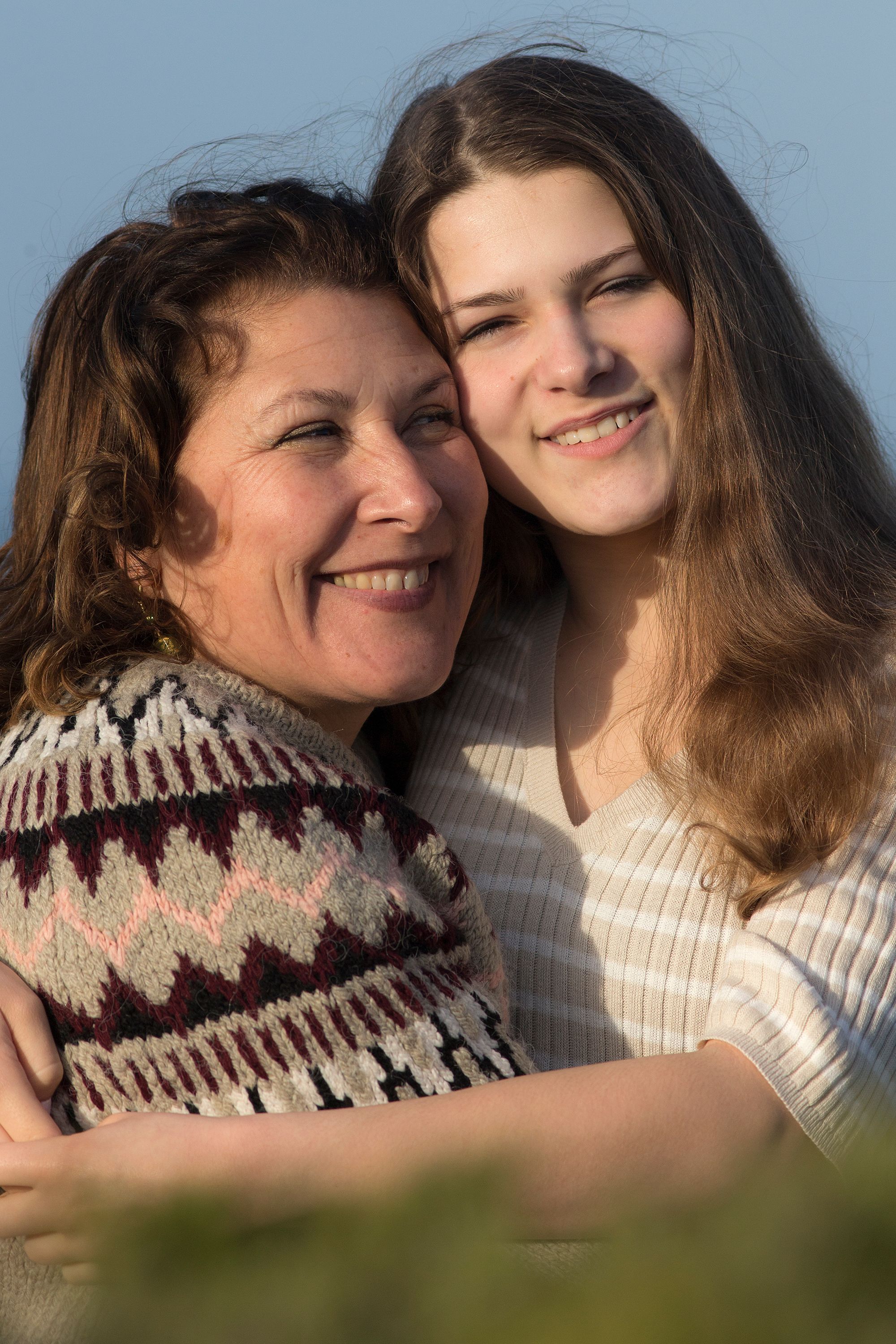
When my daughter started sixth form, I braced myself for two years of exam stress and little else. What I did not anticipate was watching her grow into someone I barely recognised, in the best possible way. The change was not academic alone. It was how she carried herself, how she made decisions, and how she started to see her own future. Here are six shifts I noticed, in case you are wondering what this stage might hold for your own child.
1. She learned to manage her own time
No more nagging about homework. With free periods built into the timetable, she had to decide for herself when to work and when to rest. The first few weeks were wobbly. By the end of term, she was planning her week without any prompting from me.
Takeaway: Freedom with responsibility teaches self-management faster than any lecture ever could.
2. She found subjects she actually loved
Dropping the subjects she disliked and focusing on three or four she chose herself made all the difference. Suddenly she was talking about chemistry at dinner, unprompted. Specialising gave her room to go deeper rather than wider.Takeaway: Choice breeds genuine interest, and interest breeds effort.
3. She started thinking about who she wanted to be
Conversations shifted from "what grade did I get" to "what do I want to do with this". University options, career paths, gap years: she weighed them all up with a seriousness I had not seen before. The right environment helped enormously here. Schools that prioritise strong pastoral support alongside results, such as a sixth form college in North London that focuses on both academic achievement and personal development, tend to give young people the space and guidance to think clearly about their futures.Takeaway: Sixth form is as much about identity as it is about grades.
4. She became comfortable around adults
The relationship between students and teachers changed. It felt more like a partnership than a hierarchy. She learned to ask questions, challenge ideas politely, and hold her own in a discussion. That confidence spilled over into job interviews and family gatherings alike.Takeaway: Being treated like an adult is often what helps a teenager become one.
5. She built friendships that stretched her
Smaller class sizes and shared ambition drew her towards people who pushed her to think harder. These were not just friends to socialise with. They revised together, debated openly, and held each other accountable.Takeaway: The right peers raise the bar without anyone saying a word.
6. She learned how to cope with pressure
There were setbacks. A disappointing mock result, a deadline that crept up too fast. What mattered was how she handled them. She learned to ask for help, to adjust her approach, and to keep going. Resilience, it turns out, is not something you are born with. It is something you practise.Takeaway: Learning to recover from a stumble is one of the most valuable lessons of all.
Looking back
If I could offer one piece of advice to parents approaching this stage, it would be this: choose the environment carefully. The place where your child spends these two years shapes far more than their results. Brampton College is one example of a setting built around that balance of academic focus and personal growth, and you can find out more at https://bramptoncollege.com.My daughter walked into sixth form a capable student. She walked out a thoughtful, independent young adult. I am still slightly in awe of the difference.
---*This article was written on behalf of Brampton College, an independent sixth form college in Hendon, North London, specialising in GCSE, A Level and university preparation. Known for small class sizes, a supportive learning culture and strong academic outcomes, Brampton College helps students make confident choices about their next steps. Learn more at https://bramptoncollege.com.*



Post a Comment